If your Goldendoodle has digestive issues, the reassuring news is that most cases come down to diet (a sudden food change, a rich treat, or a food intolerance), a temporarily unbalanced gut, or stress, and most mild flare-ups settle at home within 24-48 hours with a bland diet and a good probiotic. The situations that genuinely need a vet are the ones with red flags: repeated vomiting, blood in stool or vomit, black tarry stool, a bloated hard belly, real lethargy, or symptoms dragging on past 48-72 hours.
We live with three doodles, Sven, Gunnar and Gösta, and if there's one topic that comes up over and over in our house and in our inbox, it's tummy trouble. Goldendoodles in particular seem to have a reputation for it, and there's a reason for that we'll get into below.
This is our pillar guide: think of it as the map. We'll cover why Goldendoodles can be prone to sensitive stomachs, the real causes of digestive upset, how to decode symptoms, a clear decision framework for vet-vs-home, and the feeding and gut-health strategies that actually make a difference. Where a topic has its own deep-dive, we'll point you there rather than repeat ourselves.
Are Goldendoodles Prone to Digestive Issues?
Yes, Goldendoodles can be more prone to digestive upset than you might expect, and part of it is temperament and part of it is the parent-breed mix. A Goldendoodle is a cross between a Golden Retriever and a Poodle, and the Poodle line carries a genuine, well-documented predisposition to food sensitivities and allergic skin disease. That is a predisposition, not a guarantee: some individuals inherit a touchier gut and some do not, and a lot depends on the individual dog rather than the label on the box.
It's worth being honest here, because you'll read a lot online that both parent breeds "bring" a delicate gut. The Poodle side's tendency toward cutaneous adverse food reactions and food sensitivity is documentable. The idea that the Golden Retriever line genetically "brings" a sensitive stomach is not an established breed trait, so we don't present it that way. The more reliable driver is usually behavior, not pedigree.
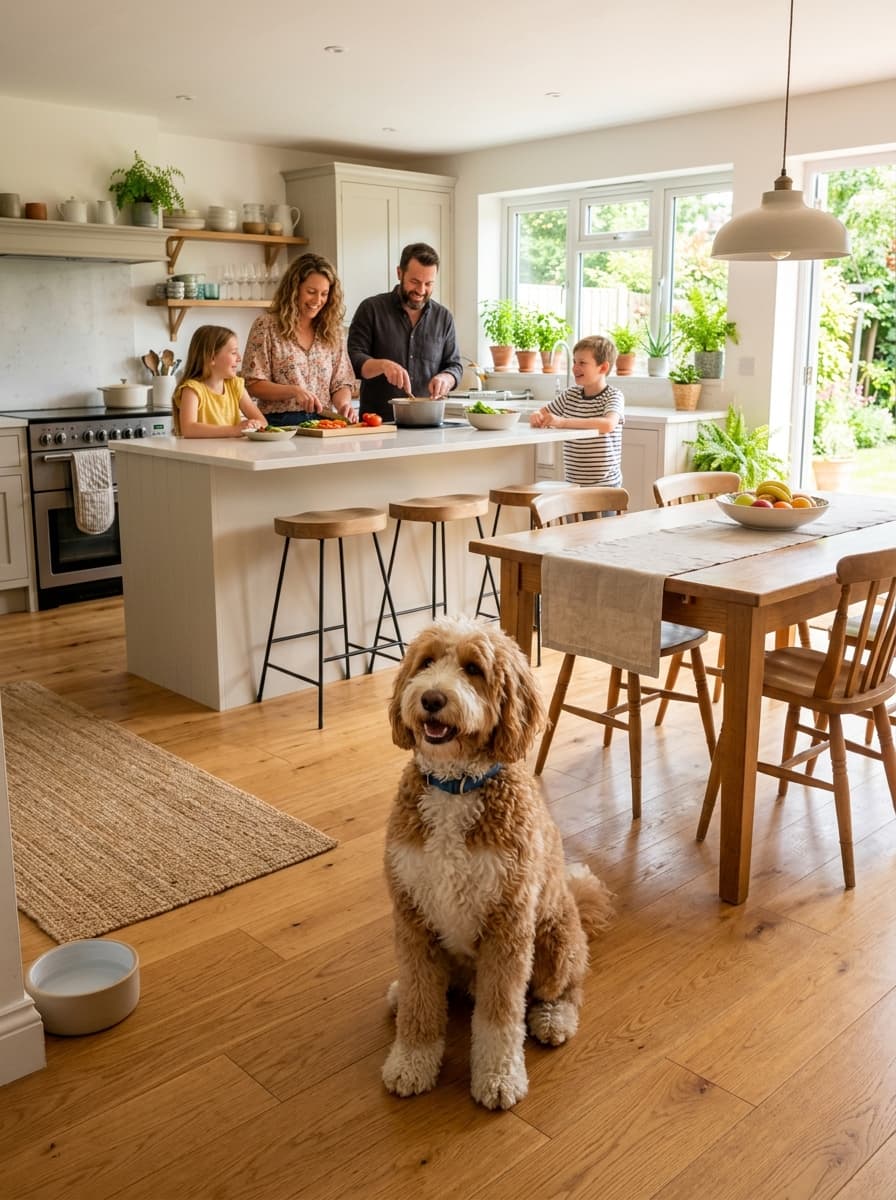
And that's the classic doodle temperament: bright, food-obsessed, and endlessly curious. Goldendoodles are notorious counter-surfers and scavengers. Gösta, the most food-motivated of our three, will hoover up a dropped crumb before it hits the floor, and that "dietary indiscretion" is one of the most common triggers of an upset stomach. The Merck Veterinary Manual makes the same point, that dietary indiscretion is a leading cause of acute gastrointestinal upset in dogs.
Where a food sensitivity is at play, it often shows up on the skin and coat, too. A curly Goldendoodle coat hides a lot, and food-related issues can present as both gut symptoms and itchy skin, goopy ears, or paw licking. If you're seeing both ends of that, our guide on whether Goldendoodles have more allergies is a useful companion read.
Common Causes of Goldendoodle Stomach Problems
Most Goldendoodle stomach problems fall into a handful of buckets. Knowing which one you're dealing with is half the battle. If you already know you need a sensitive-stomach food and just want the shortlist, our best food for a doodle with a sensitive stomach roundup is the fast shortcut.
1. Diet changes (the number-one cause)
Switching food too fast is the single most common reason we see for a Goldendoodle upset stomach. A dog's gut bacteria are tuned to their current diet, and abrupt change throws them off: hello, loose stool and gas.
The fix is almost always slow down. We use a gradual swap over 7-10 days, and for sensitive dogs even slower. If a recent switch is behind your dog's symptoms, read Doodle diarrhea after switching food and our 7-day food transition plan.
2. Rich treats, table scraps & scavenging
Fatty scraps, a new high-value chew, or something scavenged on a walk can all upset a doodle gut fast. Goldendoodles are big enough to reach the counter and clever enough to try. This is usually a one-off that resolves on its own.
3. Food intolerance vs. true food allergy
These get lumped together but they're different. An intolerance is a digestive reaction (gas, loose stool, vomiting). A true allergy is an immune response that often shows up on the skin too. We break the distinction down in food allergy vs food intolerance in doodles: it matters because the fix differs.
Common culprits include chicken and beef. If you suspect a specific protein, see chicken allergy in doodles, beef allergy in Goldendoodles, and the broader common ingredient triggers guide.
4. Gut bacterial imbalance (dysbiosis)
After a bout of diarrhea, a round of antibiotics, or a stressful event, the balance of gut bacteria can tip. This is where probiotics genuinely earn their keep: more on that below.
5. Stress and anxiety
Goldendoodles are sensitive, people-bonded dogs, and their guts feel it. Boarding, travel, a house move, or a change in routine can all trigger loose stool. We've watched this play out ourselves, see stress and digestive problems in doodles.
6. Parasites and infections
Especially in puppies, parasites (giardia, worms) and bacterial or viral infections cause diarrhea. These need veterinary diagnosis and treatment: you can't fix them with a bland diet alone.
7. Overfeeding and portion size
More food isn't more love. Overfeeding, including too many treats, routinely causes soft stool and gas in doodles. Our piece on overfeeding and stomach issues in doodles covers how to right-size portions.
Decoding Your Goldendoodle's Digestion Symptoms
Not every symptom means the same thing. Here's how we read them in our house.
| Symptom | Usually means | Action |
|---|---|---|
| Single soft/loose stool, dog acts normal | Minor dietary blip | Monitor; often self-resolves |
| Diarrhea 1-2 days, otherwise bright | Diet change, scavenging, mild upset | Bland diet + probiotic; watch closely |
| Yellow bile vomit on empty stomach (often early AM) | Empty-stomach nausea | Bedtime snack often helps |
| Gas + soft stool ongoing | Food intolerance or overfeeding | Review diet; consider trial |
| Vomiting repeatedly / can't keep water down | Possible obstruction, infection | Vet now |
| Blood in stool or vomit, black tarry stool | Bleeding somewhere in the gut | Vet now |
| Bloated, hard, distended belly + retching | Possible bloat (emergency) | Emergency vet immediately |
| Diarrhea + lethargy + not eating | Something more serious | Vet promptly |
A few of these have full deep-dives worth bookmarking:
- Soft stool but acting normal? Our honest take on when to relax and when to act: Doodle soft stool but acting normal.
- Yellow bile vomit? There's a simple, effective fix for empty-stomach bile. See our bile vomiting syndrome guide.
- Wondering how long diarrhea should last? We built a clear timeline: how long does doodle diarrhea last.
When to Manage at Home vs. See the Vet
Here's the simple framework we use.
Manage at home when: your Goldendoodle is bright, alert, and drinking; the symptom is a single episode or mild and less than 24-48 hours old; there's no blood, no repeated vomiting, and the belly is soft and normal. This is the classic "ate something dumb" scenario.
Call your vet when: symptoms persist beyond 48-72 hours, worsen, or come with any red flag from the table above. Also call for any digestive issue in a young puppy, a senior, or a dog with an existing health condition: they have less margin.
Go to the emergency vet immediately when: you see signs of possible bloat (swollen hard abdomen, restlessness, unproductive retching), repeated vomiting with inability to hold down water, or collapse.
There's no shame in phoning your vet's office just to ask. We've done it plenty of times, and a two-minute call often saves a lot of worry.
The Bland-Diet Reset for a Goldendoodle Upset Stomach
For a mild, non-red-flag upset, a short bland-diet reset is our go-to first step. It gives the gut easy-to-digest food while it recovers.
What we feed:
- A lean, plain-cooked protein: boiled turkey or white fish, skin and fat removed.
- A gentle carb: plain white rice, or a spoon of plain canned pumpkin (not pie filling). Pumpkin's soluble fiber can help firm things up, see can pumpkin help a doodle's stomach.
- Small, frequent portions rather than one big meal.
How we do it:
- If your dog is vomiting, a short rest from food (a few hours, not a full day for puppies) can let the stomach settle, but keep water available.
- Introduce small bland meals. If they stay down, continue for 24-48 hours.
- Once stools firm up, transition gradually back to the normal diet over 3-5 days.
- Hold off on all treats and chews during the reset.
When Gösta had a rough patch after getting into something on a walk, this exact reset had him back to normal in about two days: small turkey-and-rice meals, no treats, and a probiotic sprinkled on top. The key was resisting the urge to rush him back onto his regular food.
Feeding Strategies for a Sensitive Goldendoodle
Once the crisis passes, the real work is preventing the next one. This is where the right feeding approach pays off.
Choose the right food
For a Goldendoodle with recurring digestive issues, a limited-ingredient or sensitive-stomach formula often makes a real difference. Fewer ingredients means fewer potential triggers and easier troubleshooting. See our breakdowns:
- Best food for a doodle with a sensitive stomach
- Best limited ingredient dog food for doodles
- Best food for a Goldendoodle with allergies
If you suspect a protein trigger, a proper elimination diet is the gold standard for identifying it, and in stubborn cases, a hydrolyzed diet may be worth discussing with your vet.
Transition food slowly, always
This is the rule we never break with sensitive dogs. Every food change goes over 7-10 days minimum. Our 7-day transition plan lays out the ratios day by day.
Consider how you feed, not just what
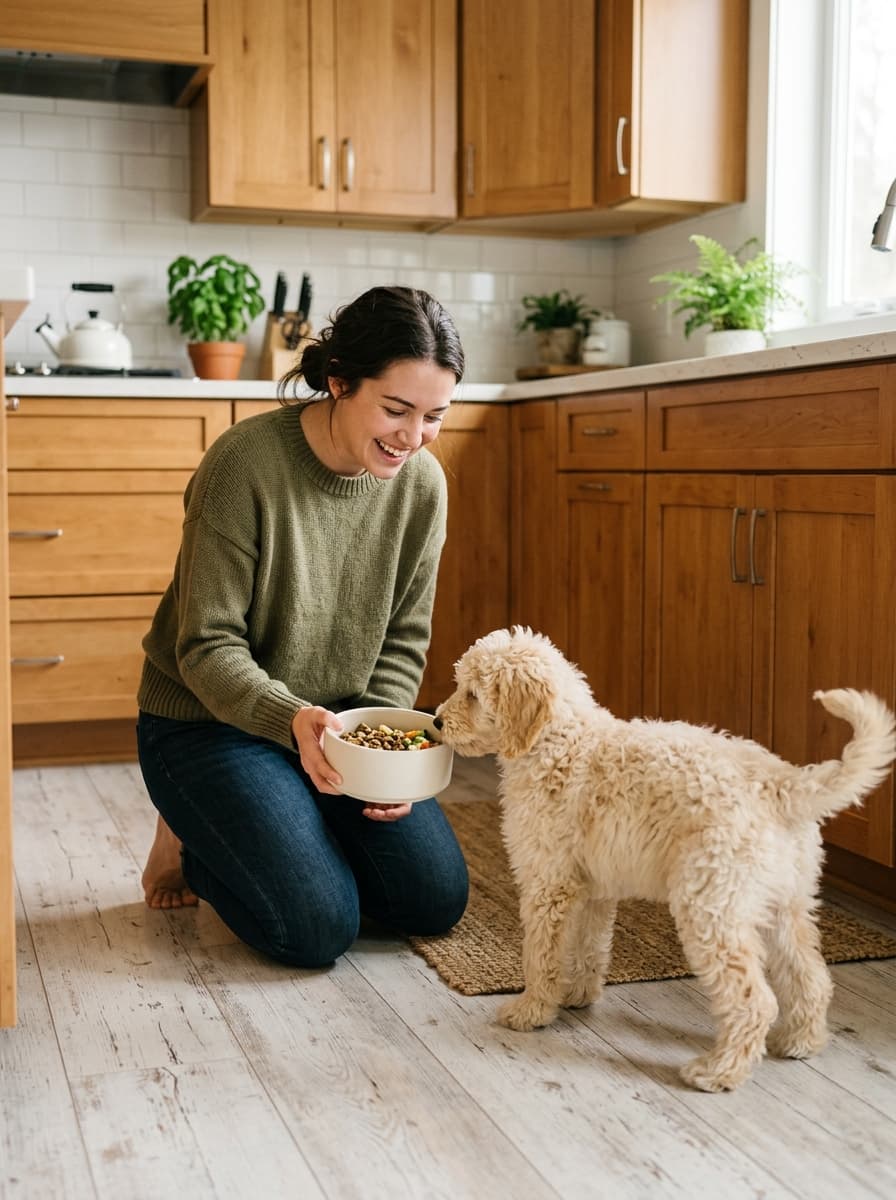
- Portion control matters: measure, don't eyeball. Overfeeding is a silent cause of chronic soft stool.
- Meal timing helps with empty-stomach bile vomiting; a small bedtime snack often solves early-morning yellow foam.
- Slow feeders help gulpers who swallow air and then vomit.
A note on raw feeding
We feed raw at home (premium kibble and freeze-dried raw for travel), and for many doodles a well-formulated raw diet suits sensitive guts beautifully. But it has to be done safely and transitioned carefully: this is not a "switch overnight" situation. If you're curious, start with our kibble-to-raw transition plan and raw food safety playbook. Raw isn't a magic fix for every dog, and a Goldendoodle with an active health issue should be transitioned only when they're stable and with vet input.
Probiotics, Enzymes & Goldendoodle Gut Health
Supporting the gut microbiome is one of the most effective long-term levers for Goldendoodle gut health.
Probiotics
A quality dog-specific probiotic helps restore bacterial balance after diarrhea, antibiotics, stress, or a diet change. Plenty of sensitive doodles benefit from a daily maintenance dose, too. They're generally very safe, but they're a support, not a cure for an underlying problem. Our picks and how to choose: best probiotics for doodle digestive issues and the complete probiotics guide.
Digestive enzymes
If your Goldendoodle struggles to break food down fully (undigested-looking stool, lots of gas) digestive enzymes can help. We cover when they're worth it in digestive enzymes for doodles and our best enzymes roundup.
Building a routine
The most sensitive dogs do best with a consistent daily gut-support routine rather than reactive fixes. We put ours together here: gut health routine for sensitive doodles, and if you want the whole stack, the gut health bundle guide.
In our house, all three boys get a probiotic worked into their routine, and it's made transitions and travel noticeably smoother. It's not a cure-all, but for a breed that can be prone to gut wobbles, it's cheap insurance.
The Gut-Skin Connection in Goldendoodles
Here's something a lot of owners miss: in Goldendoodles, digestive issues and skin issues are often two sides of the same coin. A food that irritates the gut can also drive itching, ear infections, paw licking, or a red belly rash.
That curly coat is part of the problem: it hides skin changes until they're advanced. If your Goldendoodle has ongoing loose stools and is licking their paws, scratching, or getting recurrent ear or yeast issues, a food trigger is high on the list of suspects.
The catch is that itch has many causes, so before you assume it's food, it pays to rule things out. Why is my doodle so itchy all the time and can diet fix doodle skin problems will help you sort signal from noise. Omega-3s support both gut and skin, and are one of our favorite low-risk additions: best omega-3 for doodle skin health.
Preventing Goldendoodle Digestion Issues Long-Term
Prevention is genuinely where you win with a sensitive dog. Our checklist:
- Keep the diet consistent. Sensitive guts hate surprises. Pick a food that works and stick with it.
- Transition everything slowly: new food, new treats, even a new chew.
- Measure portions and go easy on treats. Treats should be a small fraction of daily calories.
- Doodle-proof the counters and trash. Removing scavenging opportunities prevents a huge share of upsets.
- Support the gut daily with a probiotic in prone dogs.
- Manage stress around travel, boarding, and routine changes, and pre-load probiotics if you know a stressor is coming.
- Stay on top of parasite prevention, especially for puppies.
- Keep a symptom log. Noting what and when helps you (and your vet) spot patterns fast.
If you want to sanity-check whether your dog truly has a sensitive stomach in the first place, signs your doodle has a sensitive stomach (beyond poop) is a good gut-check, pun intended.
FAQ
Goldendoodles are smart, food-motivated dogs who counter-surf and scavenge, which means dietary indiscretion is common. The Poodle side of the cross also carries a real predisposition to food sensitivities and allergic skin disease, so some individuals inherit a touchier gut while others do not. Frequent digestive upset usually traces back to diet changes, rich treats, a food intolerance, or an unbalanced gut rather than anything serious, but a pattern of recurring symptoms is worth investigating with your vet.
The most common reasons are a recent food change, a new treat or table scrap, eating something they shouldn't have, stress, or a mild gut imbalance. Parasites and infections are also possible, especially in puppies. A single soft or loose stool in a dog who's otherwise bright and eating is usually nothing to panic about, but diarrhea that lasts more than 48 hours, contains blood, or comes with vomiting and lethargy needs a vet.
A simple bland diet works well for short-term upset: plain boiled lean protein (like turkey or white fish) with plain white rice or a little canned pumpkin, fed in small, frequent portions. Skip treats, chews, and rich foods until stools firm up, then transition slowly back to the regular diet over several days. If your dog won't eat, is vomiting, or doesn't improve within a day or two, call your vet.
Sometimes, but not always. True food allergies are less common than food intolerances, and both can cause loose stools, gas, and vomiting. Allergies often also show up on the skin: itching, ear infections, paw licking, or a red belly. If your Goldendoodle has ongoing gut symptoms plus skin issues, a food trigger is worth exploring with a proper elimination diet under vet guidance.
For many doodles, yes. A quality dog-specific probiotic can help restore balance after diarrhea, antibiotics, stress, or a diet change, and some owners use them daily for maintenance in sensitive dogs. Probiotics are generally safe, but they're a support tool, not a cure for underlying problems. If symptoms persist, you still need to find and fix the root cause.
Your Next Step
If your Goldendoodle's symptoms are mild and they're otherwise bright, start with the bland-diet reset above, add a probiotic, and hold off on treats until things firm up. If you're seeing any red flags, or symptoms that won't quit past 48-72 hours, call your vet.
For the bigger picture on managing a touchy gut day-to-day, head to our doodle sensitive stomach guide, or browse the full sensitive stomach hub for focused deep-dives on everything we touched on here. And if you'd like to understand how we feed our three at home, our feeding philosophy explains the why behind it all.
You've got this: sensitive stomachs are manageable, and most Goldendoodles thrive once you find their groove.