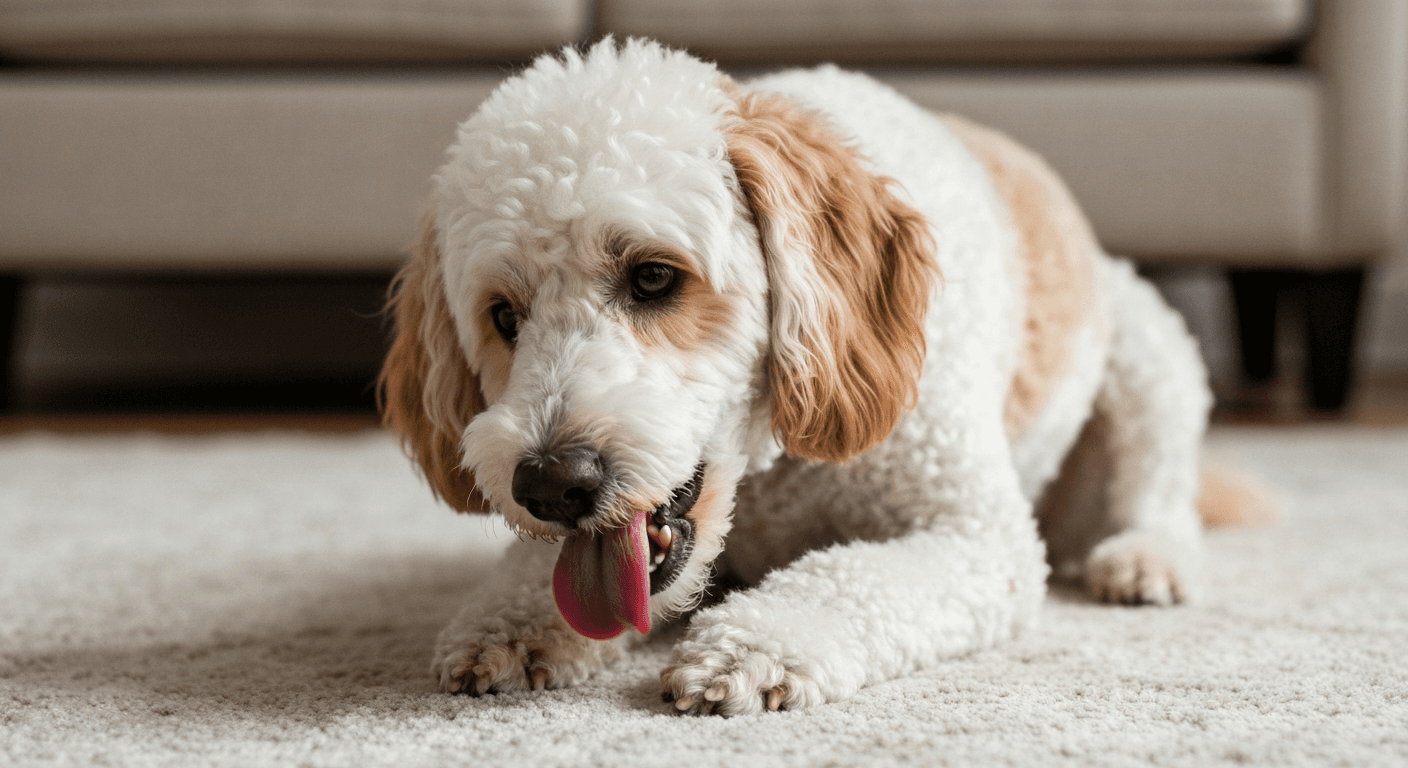
Most doodle itching comes from allergies, with yeast taking hold on top. Constant scratching, paw licking, recurring ear infections and a musty smell that bathing doesn't fix usually share one root: an allergy (environmental or food) that inflames the skin, and yeast that moves into the warm, damp spots doodles have plenty of. Treat only the surface and the itch comes back. Below: what the location and timing of the itch tell you, when it needs a vet, and the food-first fix that cleared it for our Gunnar.
Where food fits in. Most chronic doodle skin and ear problems clear when the food does. Gunnar's recurring yeast and ear infections broke after we moved him off the food that was driving them onto raw + cooked + vegetables for a year, then onto fully raw. The full story is in his case study; the underlying ranking, raw → freeze-dried raw → better kibble, is in our feeding philosophy.
Why do doodles get so itchy?
Usually allergies, with yeast on top. In doodles the most common drivers are environmental allergy (pollen, dust mites), food allergy and yeast overgrowth in warm, damp places like paws, ears and skin folds. Yeast is usually the second problem: an allergy inflames the skin, the skin barrier weakens, and yeast moves in. That is why treating the yeast alone so often brings the itch back within weeks. If you are trying to work out what is behind your dog's itch, the step-by-step version is why is my doodle itchy all the time?
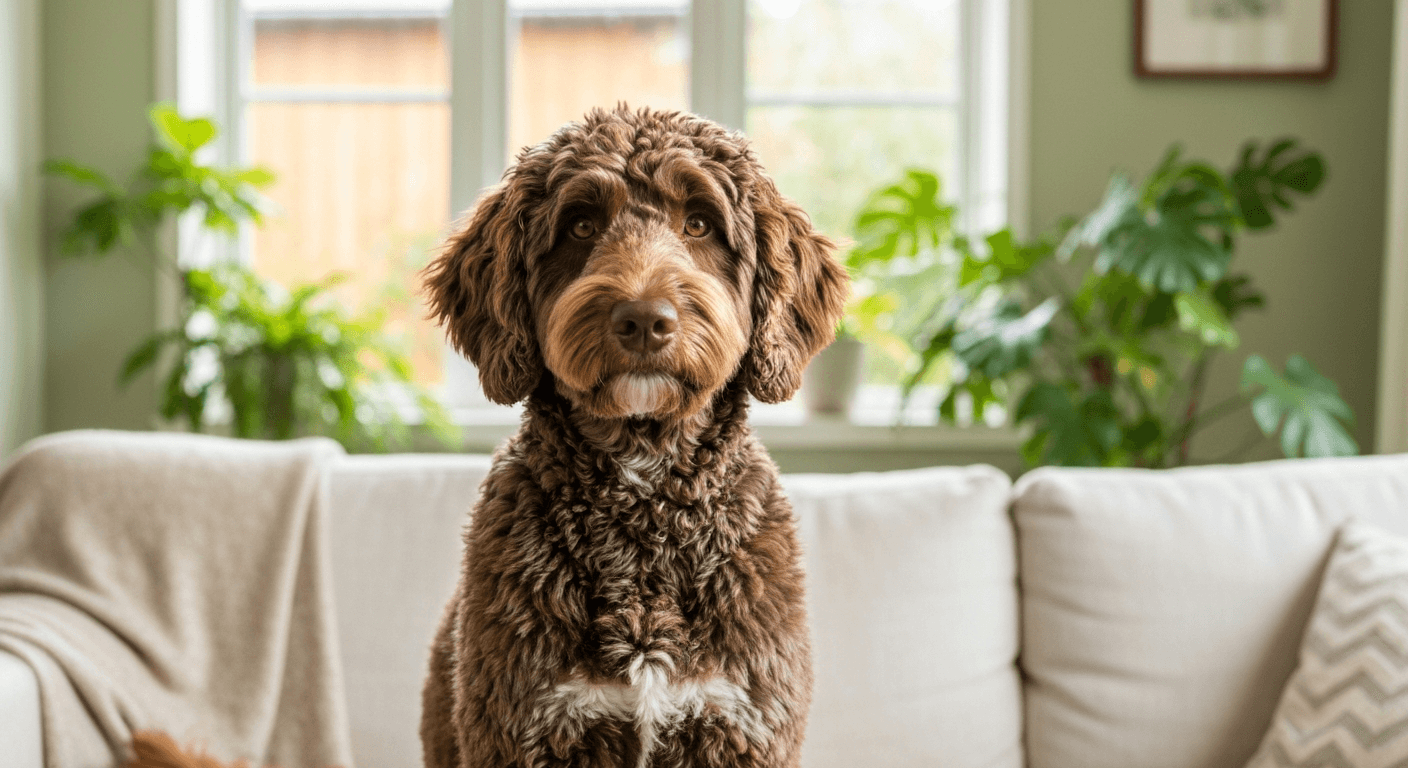
Doodles have a few extra reasons of their own. The Poodle side of the cross has a documented predisposition to allergic skin disease; it is a tendency, not a certainty, and it varies from dog to dog. The coat traps moisture and hides the skin, so a problem can build for weeks before you see it. Floppy, hairy ears stay warm and damp. And frequent grooming can irritate skin that was already on the edge.
Where it itches tells you a lot
The location of the itch is one of the best clues you have at home. Merck lists the feet, face, ears, front legs and abdomen as the areas allergies affect most often. Use this as a starting map:
| Where your doodle itches | What it often points to | Read next |
|---|---|---|
| Paws: licking, chewing, rusty-brown fur | Allergy, often with paw yeast | Yeast infection on doodle paws |
| Ears: head shaking, smell, dark wax | Allergy plus yeast in a warm ear canal | Allergy vs yeast infection |
| Belly, groin, armpits | Allergy, contact irritation, yeast in skin folds | Red belly rash explained |
| Rear end and base of the tail | Fleas first, then anal glands | Check for fleas and flea dirt before anything else |
| One hot, wet, spreading patch | Hot spot | Doodle hot spots |
| All over, right after the groomer | Clipper or product irritation | Itchy after grooming |
| Paws, worse after meals | Possible food trigger | Licking paws after eating |
Seasonal or year-round?
The second clue is timing. Itching that comes and goes with the seasons, worst in spring or fall, points to environmental allergy. Itching that stays the same every month, on the same food, points toward food, and that is when an elimination diet is worth the effort. Many doodles have a bit of both, so expect the food fix to lower the itch rather than end it in some dogs.
This is also where our own dogs differ. Gunnar's itch was year-round and came with recurring ear infections and yeasty paws. Chicken turned out to be his trigger, and the yeast cycle broke once the food changed. Gösta, on the same walks and the same grass, has never had a chronic itch. Same environment, different skin, which is a reasonable sign that food was doing more of the work in Gunnar's case than the outdoors.
When itching needs a vet
Most itch can be worked through at home, step by step. These signs mean it is time for a vet visit rather than another shampoo:
- Open sores, crusts, pus or a bad smell from the skin
- Hair loss in patches, or thickened, darkened skin
- Ear pain, head tilt, or a dog who won't let you touch an ear
- Itching bad enough to break sleep night after night
- No improvement after a few weeks of the basics
A vet can also check for things you can't see at home: mites, a bacterial skin infection that needs treatment, or a thyroid problem behind poor skin and coat.
Start here: what kind of itch is it?
Itching is a symptom, not a diagnosis. The fix depends entirely on what's driving it, so start by matching the pattern you're seeing:
- Itchy year-round, no obvious trigger → Why Is My Doodle So Itchy All the Time?
- Itching that never really stops, even on medication → Chronic Itching in Doodles: Causes & Lasting Relief
- Paw licking that starts after meals → Doodle Licking Paws After Eating: What It Really Means
- Paw chewing that's worst at night → Doodle Itchy Paws at Night: Causes & Real Solutions
- Rusty-brown paws, musty smell → Yeast Infection on Doodle Paws: Signs & Real Fixes
- Not sure if it's allergy or yeast → Doodle Allergy vs Yeast Infection: How to Tell Them Apart
- A hot, wet, spreading sore → Doodle Hot Spots: Causes & Treatment That Actually Works
- Red rash on the belly or groin → Doodle Red Belly Rash: Causes, Fixes & Vet Red Flags
- Scratching that started right after the groomer → Doodle Itchy After Grooming: Causes & How to Soothe It
The food-first fix
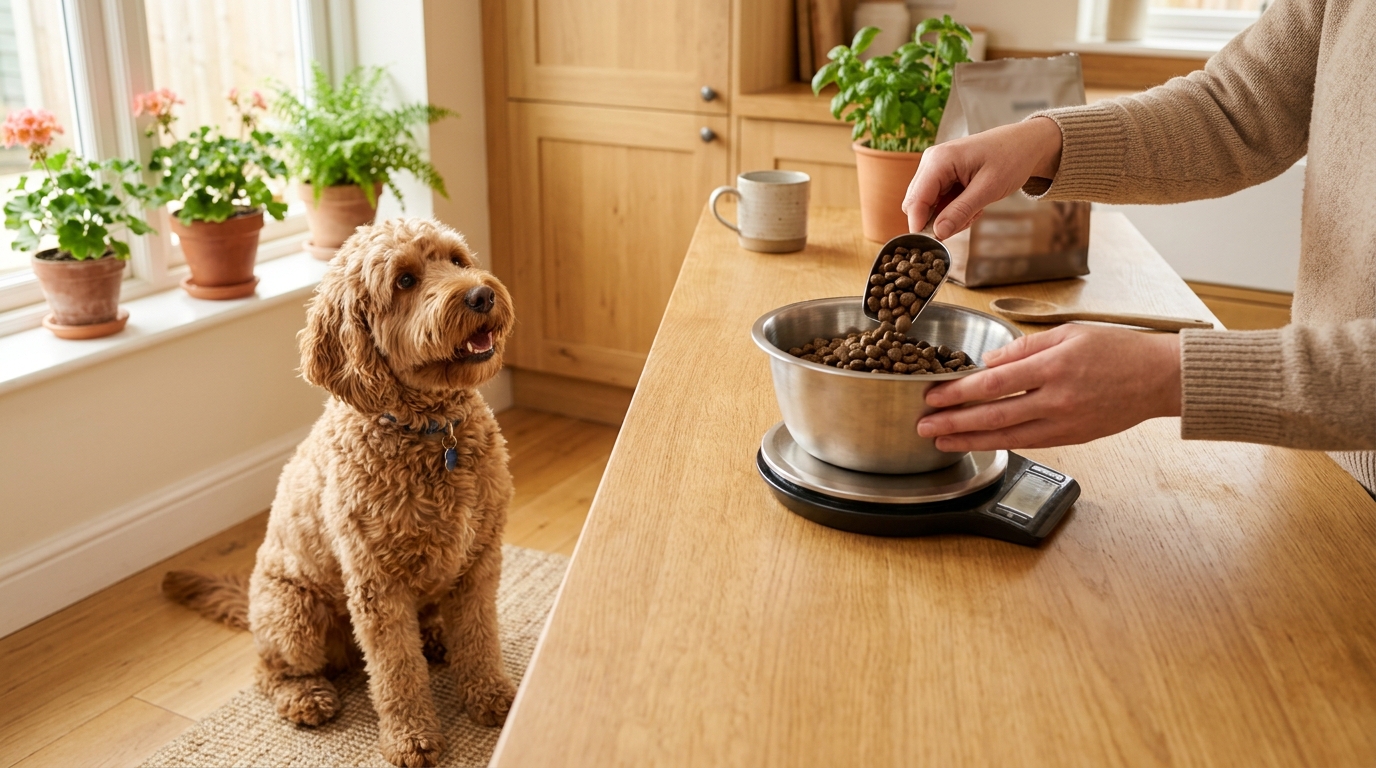
Most chronic doodle skin trouble clears when the food does, that's the gut-first approach this whole hub is built on. Can Diet Fix Doodle Skin Problems? An Honest Guide is the realistic version of that promise, including where it doesn't work.
If food looks like the driver, the practical route is either an elimination diet, a switch to a food built for allergy-prone doodles, or, for the harder cases, hydrolyzed protein food. Chicken and beef are the two most common culprits: see chicken allergy and beef allergy.
What we actually use for itchy skin
Food is the foundation, but a few things genuinely help while the diet does its work:
- Omega 3, the single most evidence-backed supplement for itchy skin. It lowers the baseline inflammation instead of masking the itch, and it's the one supplement we run year-round with all three of our doodles.
- The right shampoo, matched to the actual cause, because an anti-yeast shampoo and a soothing oatmeal shampoo do completely different jobs.
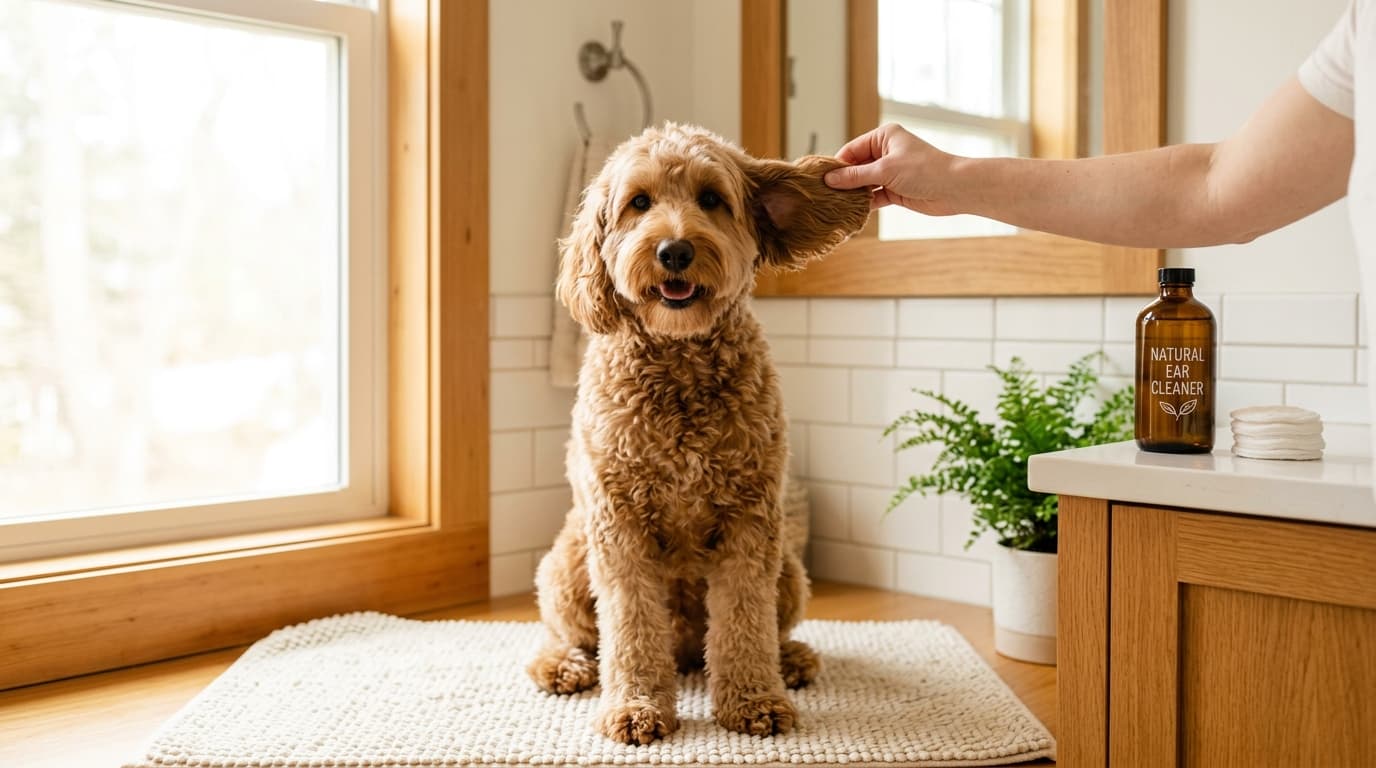
- An ear cleaner, a floppy ear over a hairy canal traps moisture, and moisture is what lets yeast take hold. Weekly cleaning and drying after every swim prevents more trouble than any treatment fixes.
- Allergy supplements, an honest look at which ones have evidence behind them and which are marketing.
Gunnar's recurring yeast and ear infections broke on exactly this combination, food first, then omega 3 and the right wash. His full story is in his case study.
When the coat is part of the problem
A doodle coat hides the skin, and mats trap heat and moisture right where yeast likes to grow. These are the grooming guides we point itchy-dog owners to:
- Does Matting Hurt Dogs? Why Mats Are a Welfare Issue
- Mats Between Dog Paw Pads: Why Your Doodle Keeps Licking
- Why Does My Doodle Smell?
- Best Dog Food for Yeast Issues
- Doodle Grooming Guide
Related hubs: Sensitive Stomach · Food Allergies · Gut Health & Supplements. For our tested picks across every category, see best products for sensitive doodles.
Sign up below for new guides as they're published.