A gut health routine for doodles combines a consistent twice-daily feeding schedule, gut-supporting foods like bone broth and pumpkin, a daily probiotic paired with prebiotic fiber, digestive enzymes when needed, steady hydration, and calm, predictable exercise. Introduce every single change slowly, over at least seven days, and watch for firmer stools and less gurgling within two to four weeks. If symptoms persist beyond that, it's a vet conversation.
That's the whole system in one breath. But the reason most owners never fix a sensitive gut isn't that they're missing one magic supplement, it's that they change five things at once, panic during the first soft stool, and start over. Below is the exact repeatable routine we use with our three doodles, plus a weekly template you can copy today.
Why doodles need a gut routine, not just a fix
Doodles inherit a genuine tendency toward sensitive stomachs from both sides of the mix, and the poodle line in particular can carry food sensitivities that show up as gut and skin problems. This shows up across Goldendoodles, Labradoodles and Bernedoodles alike, since all three carry that Poodle-line sensitivity to some degree. Curly coats hide the belly rashes; floppy ears trap the yeast, and underneath a lot of that is a gut that's easily thrown off.
The difference between reacting and routine is everything. Reacting means you scramble for pumpkin every time there's a soft pile in the yard. A routine means the gut is supported before the flare, so flares get rarer and milder. If you're still not sure your dog qualifies, our guide to the signs your doodle has a sensitive stomach is a good gut-check first. And if you already know a daily probiotic is your starting point and just want the shortlist, see our best probiotics for doodle digestive issues picks.
Step 1: Lock in a consistent feeding schedule
The single most underrated part of any doodle digestive health routine is boring predictability. The gut runs on a clock.
- Feed twice a day, roughly 12 hours apart, this keeps stomach acid from pooling on an empty stomach, which is a common cause of morning bile vomiting.
- Same times every day. Our three eat at 7am and 6pm, weekends included. Doodles are creatures of habit and their guts reward it.
- Measure portions. Eyeballing leads to overfeeding, and overfeeding is a stealth cause of stomach issues in doodles, a gut that's constantly overloaded can't settle.
In Sven's first year he was a grazer with mushy stools until we simply put him on the same twice-daily clock as Gunnar and Gösta. Within about two weeks his stools firmed up before we'd added a single supplement. Schedule first, then everything else.
Step 2: Add gut-healing foods (slowly, one at a time)
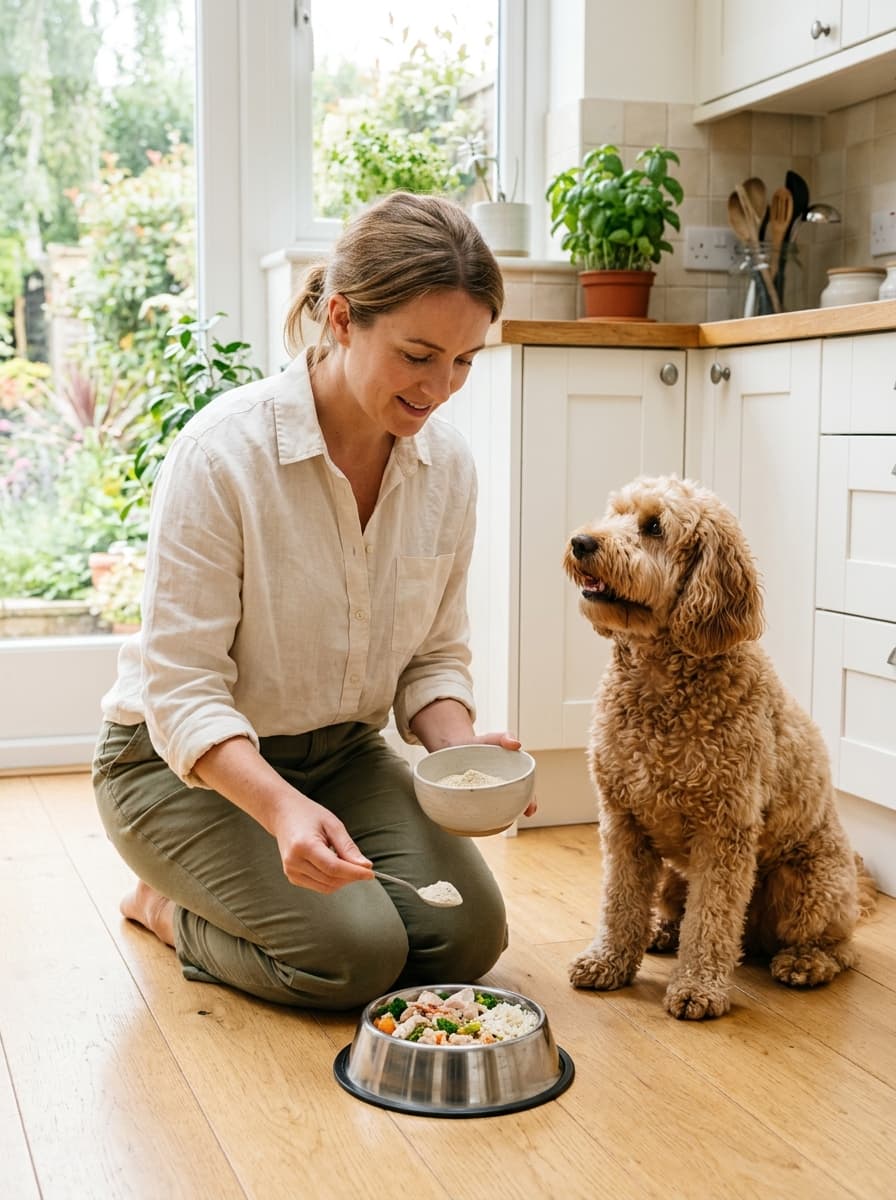
These are the gut healing foods for dogs that earn their place in a doodle's bowl. The rule: add one, in a tiny amount, and give it a week before judging.
Pumpkin (fiber)
Plain canned pumpkin (not pie filling) adds soluble fiber that firms loose stool and bulks up runny ones. Start with a teaspoon for a small doodle, up to a tablespoon for a big standard. Our full breakdown lives in can pumpkin help a doodle's stomach.
Bone broth (hydration + gut lining)
A splash of plain, unsalted bone broth over food adds moisture and gentle nutrients that support the gut lining. It's also a fantastic appetite nudge for a doodle that's picking at food but acting normal.
Fermented additions (natural probiotics)
A small spoon of plain kefir or a little fermented vegetable brings live cultures. Go tiny here, too much dairy or fiber at once backfires. This is the piece most likely to cause gas if you rush it.
Slippery elm (flare support)
Not a daily food, but a genuinely useful gut-soother during rough patches. We keep it on hand; details in slippery elm for doodle digestive issues.
Step 3: Probiotics and prebiotics: the daily foundation
For a truly sensitive doodle, a daily probiotic is the backbone of the routine, not a flare-only rescue. You're feeding the microbiome continuously so it stays resilient.
Two things matter here, and people confuse them constantly:
- Probiotics = the beneficial bacteria themselves.
- Prebiotics = the fiber that feeds those bacteria (think inulin, chicory root, a little pumpkin).
You want both. A probiotic with no prebiotic to feed it is like planting a garden and never watering it. We cover the distinction properly in prebiotics vs probiotics for doodles, and how to pick a product in best probiotics for doodles with digestive issues. The WSAVA offers global guidance on selecting probiotic products backed by evidence.
Step 4: Digestive enzymes (when they help)
Some doodles, especially older ones or those recovering from a gut disruption, struggle to fully break down their food, which shows up as gassy, mucousy, or undigested-looking stool. Digestive enzymes help bridge that gap by assisting the breakdown of fats, proteins and carbs.
They're not for every dog. If your doodle already digests well, adding enzymes is unnecessary. But for a chronically sensitive gut they can be the missing piece. See digestive enzymes for doodles and our best digestive enzymes for doodles picks to decide whether it's worth trialing.
Step 5: Hydration
A dehydrated gut is a sluggish gut. Doodles on kibble especially need help here, dry food pulls moisture from the system.
- Keep fresh water available and refresh it daily (curly-faced doodles drag beard-water into the bowl fast).
- Add moisture to meals, bone broth, a splash of water, or the natural moisture in raw or rehydrated food.
- Watch water intake during and after travel, when many doodles drink less and stool up.
Step 6: Stress and exercise: the gut-brain piece
This is the factor most routines ignore. Doodles are sensitive, velcro-y dogs, and the gut-brain axis is real: schedule chaos, boarding, a new baby, or even your own stress can loosen stools. We dig into this in stress and digestive problems in doodles.
- Keep walks and rest predictable, the same rhythm that helps the feeding clock helps the whole nervous system.
- Exercise daily but don't feed around hard activity. We leave at least an hour between a big meal and rowdy play to reduce the (small but real) bloat risk in deep-chested standards. The Merck Veterinary Manual covers the same connection between meals, activity and bloat risk in dogs.
- Protect downtime. A doodle that never fully rests carries low-grade stress that shows up in the bowl.
The golden rule: change one thing at a time, slowly
Every single item above should be introduced gradually and in isolation. This is the discipline that separates owners who fix the gut from owners who spin their wheels.
If you add pumpkin, a probiotic, enzymes and a food change on the same Monday and things improve, you've learned nothing, and if things get worse you can't tell which one did it. Add one thing, wait about a week, then add the next.
Food changes get their own careful process entirely. Rushing a food switch is the fastest way to trigger diarrhea after switching food. Follow our 7-day food transition plan whenever you change the base diet.
A sample weekly gut health routine for doodles
Here's a realistic daily routine for a doodle sensitive stomach, laid out as a week. Adjust amounts to your dog's size and always start new items one at a time.
| Time / Day | What happens |
|---|---|
| 7:00 AM (daily) | Breakfast at the same time. Add daily probiotic + prebiotic fiber. Splash of water or bone broth for moisture. |
| Morning (daily) | Predictable walk. Fresh water refreshed. |
| Midday (daily) | Rest / downtime. No heavy food. |
| 6:00 PM (daily) | Dinner at the same time. Digestive enzymes here if trialing. Teaspoon of pumpkin if stools trend soft. |
| Evening (daily) | Calm walk, at least 1 hr after dinner. |
| Week 1 | Introduce probiotic only. Observe stools. |
| Week 2 | Add prebiotic fiber / pumpkin. Observe. |
| Week 3 | Add bone broth and/or a tiny fermented addition. Observe. |
| Week 4 | Trial enzymes if digestion still looks off. Reassess whole routine. |
By the end of a month you'll have layered in support methodically and you'll actually know what your individual doodle responds to. If you raw feed, this pairs neatly with our 5-minute daily kitchen routine for raw feeders.
Signs the gut is actually healing
You're looking for a trend over weeks, not a perfect day. Good signs:
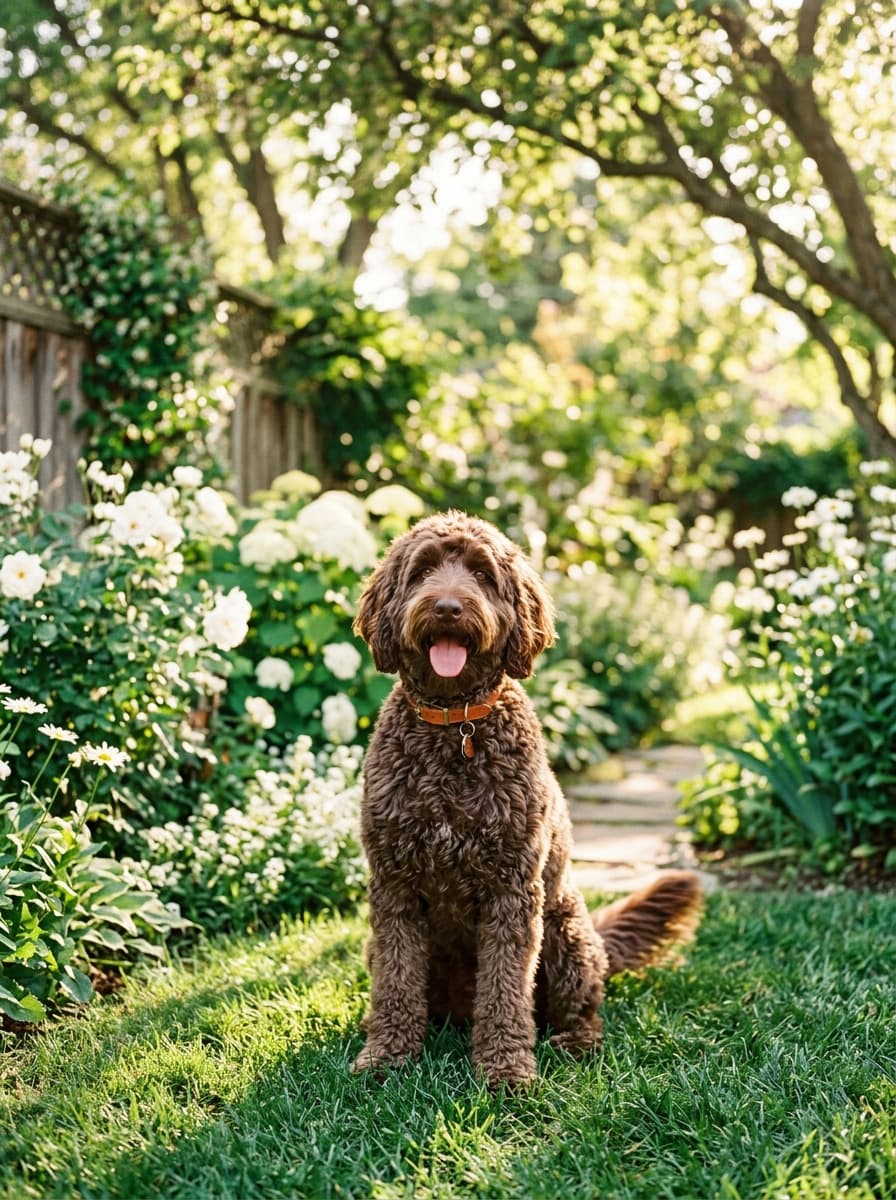
- Firmer, consistent stools, formed, easy to pick up, not shifting day to day.
- Less gurgling and gas. A quieter belly is a happier belly.
- Steady, eager appetite without picky refusals.
- Less paw-licking and belly redness, the gut and skin are linked, which is why gut work often calms a red belly rash.
- Calmer energy rather than the jittery discomfort of an unsettled gut.
An occasional soft stool while acting completely normal isn't a failure, it's within normal range. Judge the overall direction.
When to skip the routine and call your vet
A gut routine manages mild sensitivity in an otherwise healthy dog. It is not the answer when something is genuinely wrong.
For timelines on what's normal, see how long doodle diarrhea lasts and our guide on when to take your doodle to the vet for vomiting. If flares keep returning despite a solid routine, the underlying issue may be a food allergy or intolerance rather than general sensitivity, start with food allergy vs food intolerance in doodles.
FAQ
Most doodles show early signs of improvement, firmer stools, less gurgling and gas, calmer appetite, within 2 to 4 weeks of a consistent routine. Deeper gut repair after a major disruption like antibiotics or a food change can take 8 to 12 weeks. The key is consistency: changing things every few days resets the clock and makes it impossible to tell what's actually helping.
Gentle, well-tolerated options include plain canned pumpkin (fiber), bone broth (hydration and gut-lining support), and small amounts of fermented additions like plain kefir or a spoon of fermented vegetables for natural probiotics. Slippery elm is useful during flare-ups. Introduce one at a time in tiny amounts so you can tell what your individual doodle tolerates, poodle-line dogs can be surprisingly picky-gutted.
For a doodle with a genuinely sensitive stomach, a daily maintenance probiotic usually makes more sense than reactive dosing, because you're supporting the microbiome continuously rather than trying to rescue it mid-flare. Many owners increase the dose or add slippery elm during a rough patch and return to maintenance once stools firm up. Always follow product dosing and check with your vet if your doodle is on medication.
Yes. Doodles are sensitive, people-oriented dogs, and stress from schedule changes, travel, boarding or household upheaval genuinely affects the gut through the gut-brain axis, often showing up as soft stool or reduced appetite. Keeping feeding times, walks and rest predictable is a real part of a gut health routine, not an afterthought.
Call your vet if diarrhea lasts more than 48 hours, you see blood or black tarry stool, your doodle is vomiting repeatedly, seems lethargic or painful, isn't eating, or is losing weight. A gut routine supports a healthy dog and manages mild sensitivity, it is not a substitute for diagnosis when something is clearly wrong.
Your next step
Pick one thing to start this week, most doodles benefit most from locking the feeding schedule and adding a daily probiotic first. Give it a full week before layering in the next piece, and let the weekly template do the rest.
When you're ready to choose specific supplements to build into the routine, start with our probiotics for doodles complete guide, or browse the Gut Health Supplements hub to see how probiotics, enzymes and prebiotics fit together into one system.