Stress diarrhea in dogs is real, and it has a physical explanation: the gut and brain are directly wired together, so when your doodle gets anxious, stress hormones speed up the colon and inflame its lining, producing sudden loose, soft, or mucousy stool (vets often call this stress colitis). It's especially common in sensitive, velcro-temperament doodles during grooming, boarding, travel, thunderstorms, or a change in routine. Most cases resolve in one to three days with a bland diet, probiotics, and less stress, but blood, vomiting, or lethargy means it's time to call your vet.
If you've ever picked your doodle up from the groomer or a boarding stay and found a puddle of loose stool waiting for you that evening, you're not imagining a connection. And if a thunderstorm sends your dog straight to the water bowl and then to the yard with urgency, that's the same mechanism at work.
If you already know a probiotic is what you're missing and just want the shortlist, see our best probiotics for doodle digestive issues, it's the quickest way to get gut support on the shelf before the next stressful event.
The good news: once you understand the gut-brain loop driving it, you can break the cycle instead of just cleaning up after it. Let's walk through why doodles are wired for this and exactly what to do.
Can stress cause diarrhea in dogs? The gut-brain connection
Your doodle's digestive tract has its own dense network of nerves, sometimes called the "second brain", that talks constantly with the actual brain through the vagus nerve and a stream of shared chemical messengers. When your dog feels frightened or overwhelmed, the body dumps stress hormones like cortisol and adrenaline.
Those hormones do a few things at once:
- Speed up gut motility, so food and water rush through the colon before water can be reabsorbed (that's the loose, watery result).
- Inflame the colon lining, which produces the mucus and occasional streaks of blood you see in true stress colitis.
- Shift the gut microbiome, temporarily knocking down the good bacteria that keep digestion steady.
So when someone asks can anxiety cause diarrhea in dogs?, the answer is a clear yes. It's not a behavioral quirk; it's physiology. A nervous stomach in dogs is as real as it is in people who get queasy before a big presentation. The Merck Veterinary Manual describes stress as a recognized contributor to acute colitis in dogs.
Why doodles are especially prone to stress colitis
Two things that are common in doodles make this more likely.
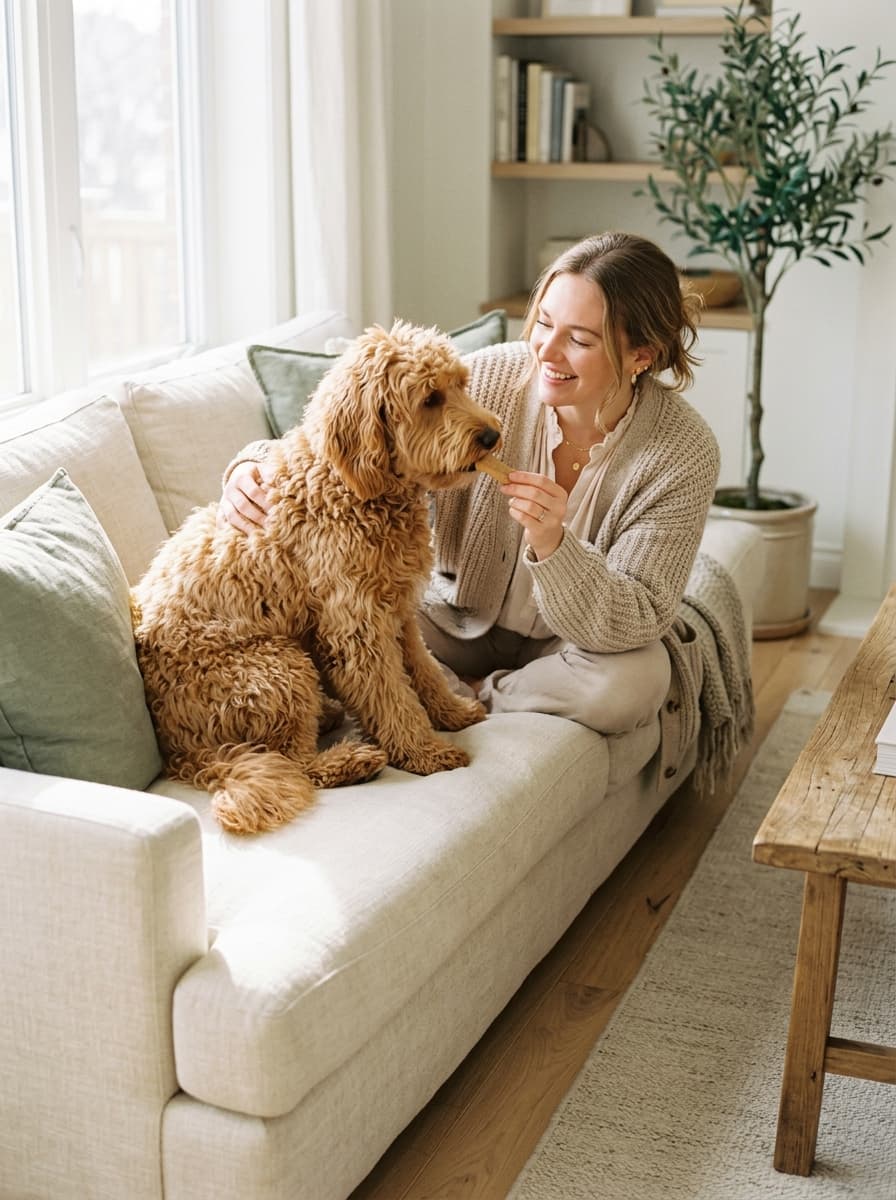
First, the poodle-line sensitive stomach. Many doodles inherit a reactive gut that already tips into loose stool from small diet changes. We cover that baseline in our guide to the signs your doodle has a sensitive stomach. When the gut is already touchy, it takes less stress to push it over the edge.
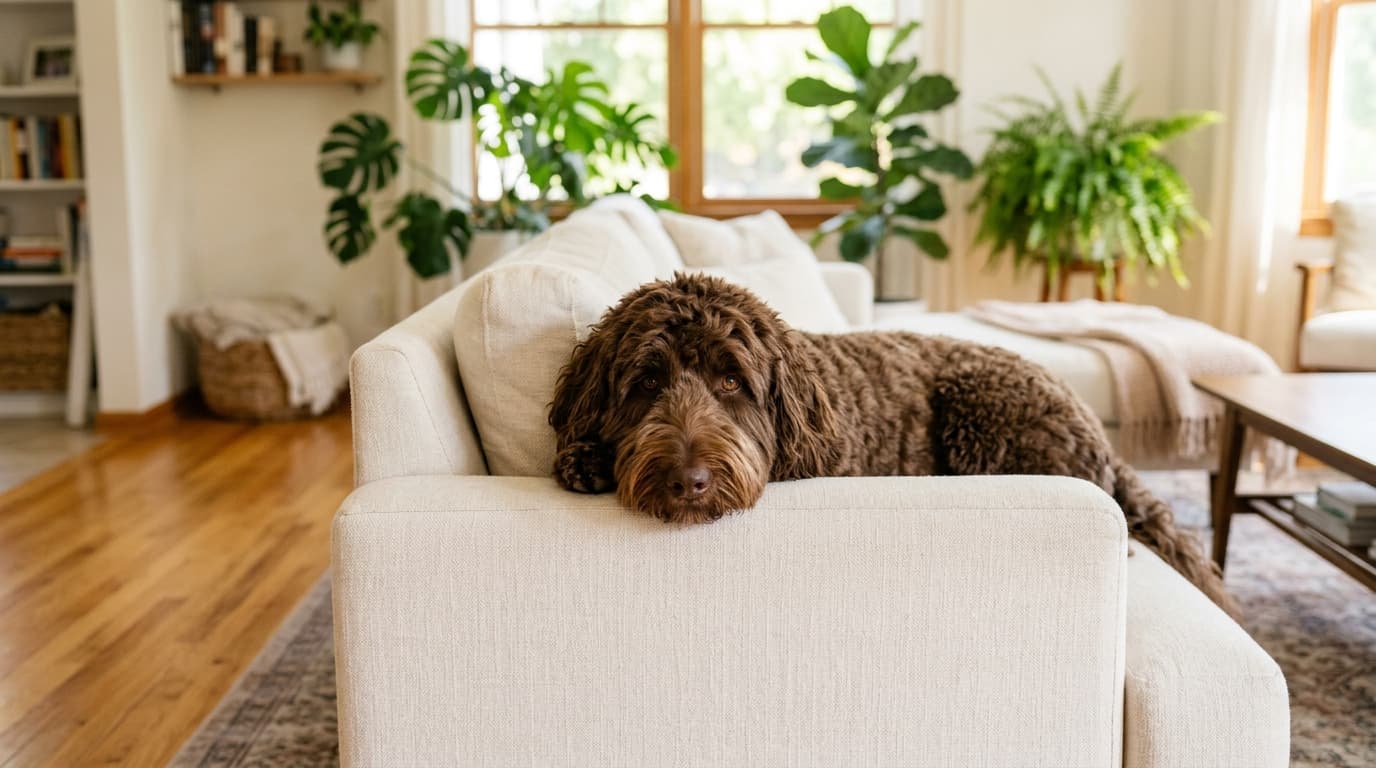
Second, the famous velcro temperament. Doodles bond hard. That loyalty is wonderful, until it becomes separation sensitivity, and suddenly a boarding stay, a new work schedule, or even you traveling for a weekend registers as a genuine crisis.
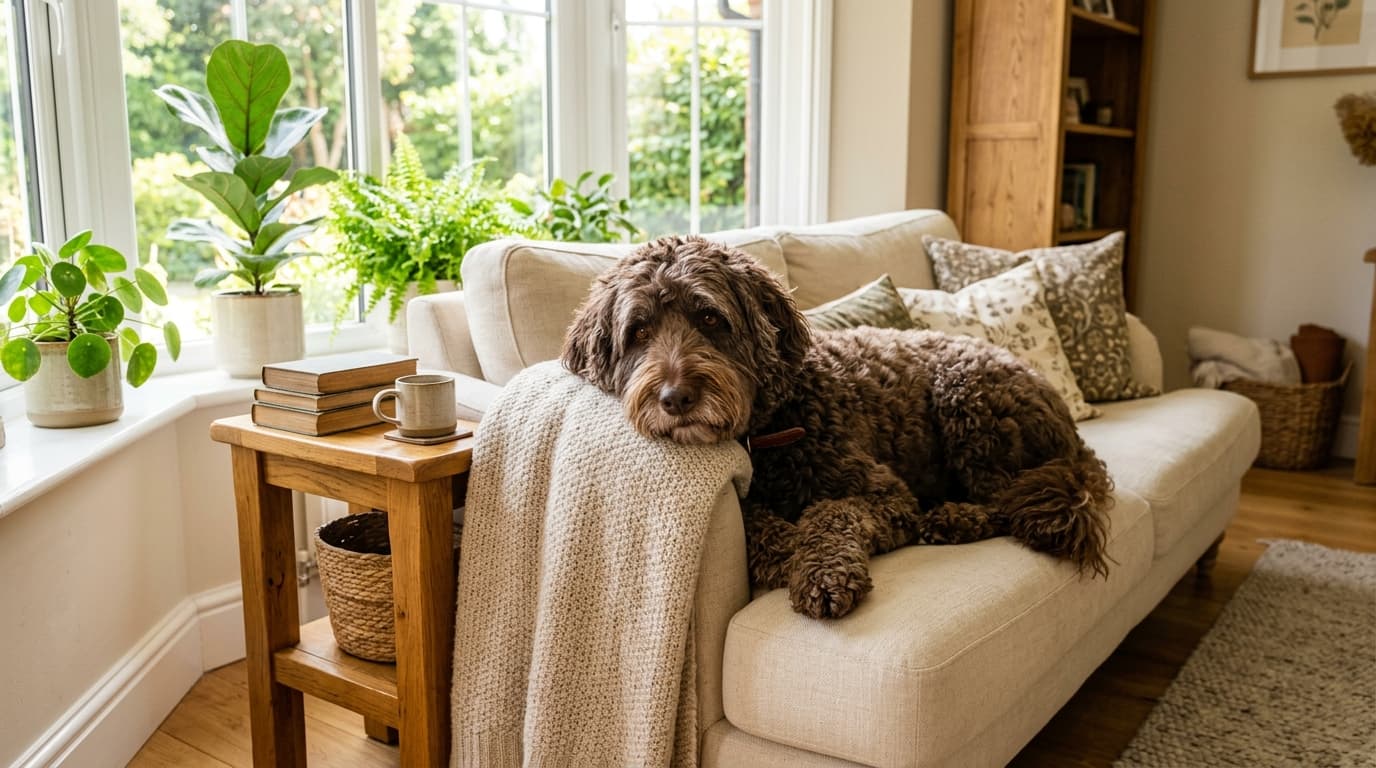
With our three Australian Labradoodles, Sven is our worrier. Gösta and Gunnar shrug off a thunderstorm, but Sven plants himself under the kitchen table and you can almost watch his stomach start churning. He's the one who'll leave a softer stool in the yard the morning after a stressful evening while the other two are perfectly fine on the exact same food.
Common doodle stress triggers that upset the gut
Anything that spikes anxiety can trigger a flare. The usual suspects in doodle households:
- Grooming appointments, new environment, dryers, being handled and separated from you. (If your doodle also gets itchy afterward, that's a separate issue covered in itchy after grooming.)
- Boarding or a pet sitter, separation plus unfamiliar smells, dogs, and routines.
- Travel and car rides, motion, confinement, and destination stress combined.
- Thunderstorms and fireworks, the classic noise phobia.
- New routines, a move, a new baby, a schedule change, a household member leaving.
- Vet visits, for many doodles, the single most stressful outing.
The pattern that gives it away is timing. Stress diarrhea usually shows up during or within a day of the trigger, and then resolves once life settles down.
Stress colitis vs. other GI problems: how to tell
This is the part that matters most, because "loose stool" has a lot of possible causes. Here's how stress colitis typically compares.
| Feature | Stress colitis | Food allergy/intolerance | Dietary indiscretion | Infection/parasite |
|---|---|---|---|---|
| Timing | During/after a stressful event | Ongoing, tied to a food | After eating something new/garbage | Can be sudden, often persistent |
| Stool look | Soft to watery, mucus, small blood streaks | Chronic loose stool, sometimes gas | Loose, may have foreign material | Very watery, foul, may have lots of blood |
| Other symptoms | Anxious behavior, otherwise normal | Itching, ear issues, paw licking | Usually just GI | Fever, vomiting, lethargy possible |
| How long | 1-3 days | Weeks to months | 1-2 days | Persistent without treatment |
| Appetite | Usually normal | Usually normal | Usually normal | Often reduced |
A doodle with stress colitis is typically still bright, alert, and eating, they just have an unhappy back end. If the loose stool is chronic rather than event-driven, food is more likely the culprit, and our guide to food allergy vs. food intolerance in doodles will help you sort that out. For how long a normal bout should take to clear, see how long doodle diarrhea lasts.
How to calm a doodle's upset stomach from stress
Once you're confident it's stress-related and not a red-flag situation, here's the approach that works in our house and for most sensitive doodles.
1. Rest the gut with a short bland diet
For 2-3 days, switch to something gentle and easy to digest:
- Lean cooked protein (plain boiled chicken or lean ground turkey, no skin, no seasoning) with plain white rice, OR
- A little plain canned pumpkin (not pie filling) stirred in for soluble fiber that helps firm stool.
We keep the portions modest and split them into smaller, more frequent meals so we're not overloading an already-irritated gut. More on pumpkin's role in our pumpkin for upset stomach guide.
2. Support the microbiome with probiotics
Stress knocks down beneficial gut bacteria, so a quality probiotic helps restore balance faster. We keep a canine-specific probiotic on hand and start it at the first sign of a flare. See our best probiotics for doodles roundup and, if you want the deeper science, probiotics for doodles: complete guide.
3. Soothe the gut lining
Slippery elm is our go-to for coating and calming an irritated colon during a flare, gentle, natural, and easy to give. We break down how and how much in slippery elm for doodle digestive issues.
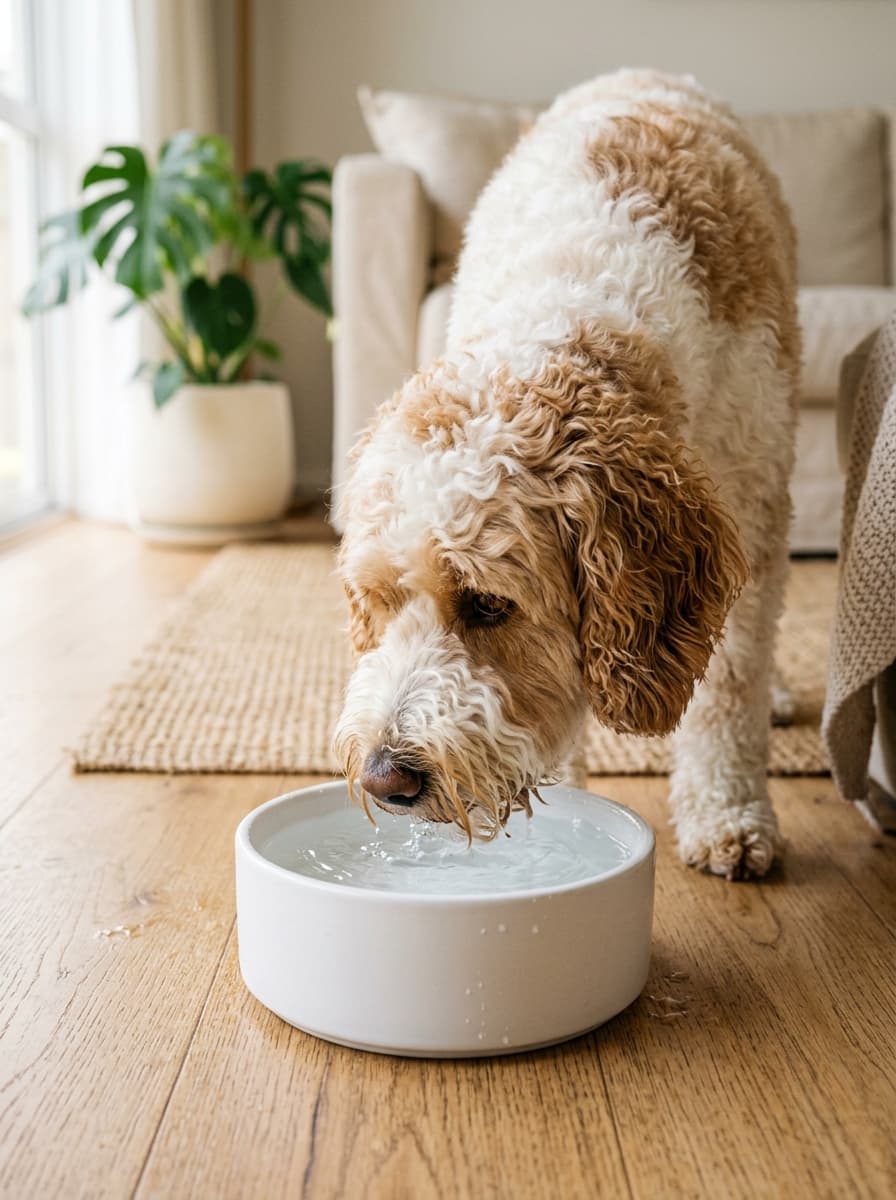
4. Keep water available and watch hydration
Diarrhea loses fluid fast. Make sure fresh water is always accessible, and monitor for the dehydration signs in the warning box above.
5. Ease back to the regular diet
Once stool firms up, transition back to your normal food over a couple of days rather than switching cold. Doodle guts don't love abrupt changes, our 7-day food transition plan explains the gradual approach that prevents a second round of loose stool.
Breaking the stress-gut cycle for good
Treating each flare is reactive. The real win is reducing how often your doodle's nervous system gets overwhelmed in the first place.
Build predictable routine
Doodles thrive on rhythm. Consistent meal times, walk times, and bedtimes give an anxious dog fewer surprises to react to. A steady daily structure is genuinely one of the most underrated gut-health tools, we lean on it in our gut health routine for sensitive doodles.
Desensitize the big triggers slowly
For grooming, boarding, or car anxiety, short positive practice runs help. A quick, happy visit to the groomer's lobby with treats and no actual grooming teaches your doodle the place isn't a threat. The goal is to lower the baseline stress load so the trigger stops firing so hard. The ASPCA makes the same point about gradual desensitization to reduce a dog's anxiety around known triggers.
Prep for known stress events
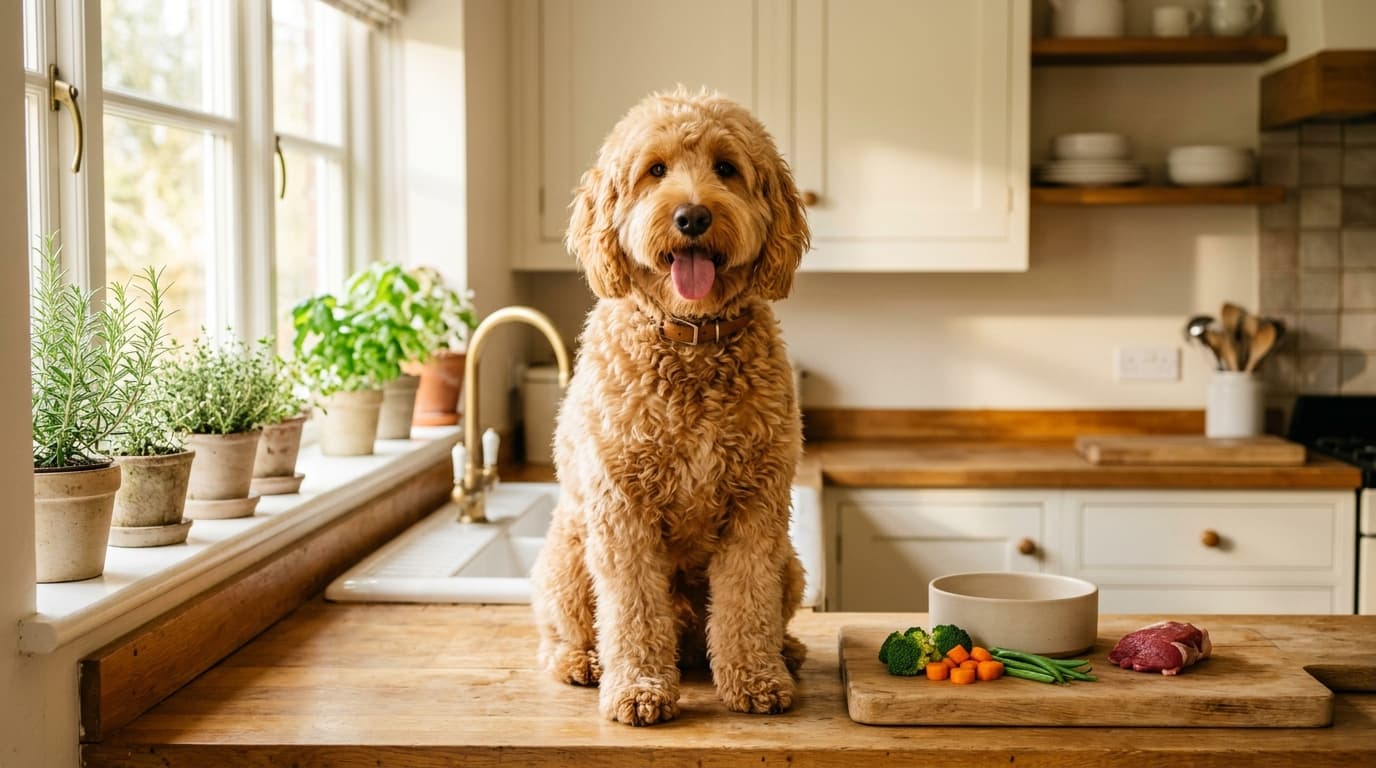
If you have travel or boarding coming up, get ahead of it: keep the diet steady, pack their normal food (for our raw-fed household, we lean on the travel feeding playbook), and start gut support a few days before rather than after the fact.
Don't accidentally reinforce the food connection
If a sensitive doodle repeatedly gets diarrhea in a stressful setting, keep the food identical so you're not chasing a phantom food problem. Changing kibble mid-crisis just adds a second variable, and possibly a second bout of loose stool, which we cover in diarrhea after switching food.
For persistent low-grade tummy issues that aren't clearly event-driven, our overview of doodle sensitive stomach causes and solutions is the bigger-picture companion to this article.
FAQ
Yes. The gut and brain are connected through the vagus nerve and a shared chemical signaling system, so when your doodle feels anxious, stress hormones speed up gut motility and inflame the colon lining. The result is sudden loose, sometimes mucousy or bloody-streaked stool, often called stress colitis. It's a genuine physical reaction, not just nerves, and it's very common in sensitive, velcro-temperament doodles.
Most stress-related loose stool clears up within 1 to 3 days once the stressful event has passed and you support the gut with a bland diet and probiotics. If diarrhea lasts longer than 72 hours, keeps returning, or comes with vomiting, lethargy, or lots of blood, it's time to call your vet rather than waiting it out.
A short bland diet of cooked lean protein and plain rice or a little canned pumpkin, plus a quality probiotic, helps most doodles recover. Slippery elm can soothe an irritated gut lining, and making sure your dog has fresh water prevents dehydration. Address the stress source too, no diet fixes a gut that's still under pressure.
Doodles often combine a sensitive stomach from their poodle-line genetics with a deeply bonded, velcro temperament that makes separation and change hard. That mix means the emotional triggers hit harder and the gut is already reactive, so anxious doodles frequently show digestive upset where a more stoic breed might not.
Call your vet if the diarrhea lasts more than 3 days, contains significant blood, is black and tarry, or comes with repeated vomiting, a painful belly, lethargy, refusal to drink, or signs of dehydration. Puppies, seniors, and small doodles dehydrate faster, so err on the side of caution with them.
Your next step
Stress diarrhea is one of those problems that feels alarming in the moment but is very manageable once you understand the gut-brain loop behind it: rest the gut, restore the microbiome, and lower the anxiety load so the cycle stops repeating. Watch for the red flags, and don't hesitate to call your vet when something feels off.
Since a resilient gut handles stress far better, the best long-term move is building one deliberately. Start with our gut health routine for sensitive doodles, it's the foundation that makes every stressful event a little less messy.