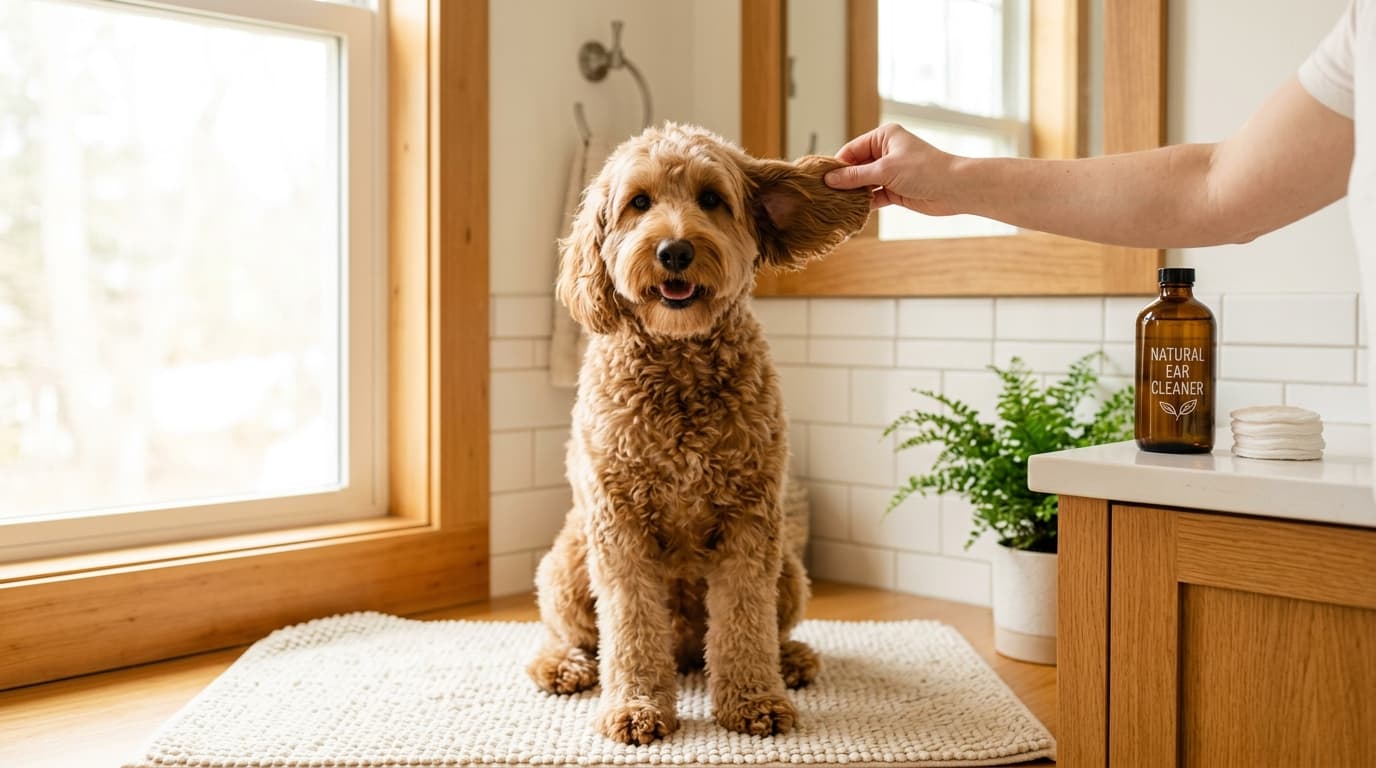
If you can't tell whether your doodle has allergies or a yeast infection, here's the short answer: allergies are usually the root cause, and yeast overgrowth is often the secondary result. A true allergy causes generalized itching, sneezing, and inflamed skin, while yeast adds a distinct musty, corn-chip smell, greasy or reddish-brown skin, and shows up in warm, moist spots like paws, ears, and skin folds. In doodles the two frequently happen together, so you often need to treat the yeast flare-up and address the underlying allergy.
That two-front approach is exactly why we keep both an antifungal wash and a skin supplement on hand - see our best shampoos for itchy doodles for the flare-up and best allergy supplements for doodles for the underlying cause.
That overlap is exactly what makes this so confusing. You see the same scratching, the same paw-licking, the same head-shaking, and the internet tells you it's five different things at once. This guide will help you actually separate the two, understand how they feed each other, and know when it's a "keep managing at home" situation versus a "call the vet" one.
Allergy vs yeast infection: what's actually happening
These are two different problems that look alike from across the room.
An allergy is an immune overreaction. Your doodle's body decides something harmless, pollen, dust mites, a food protein, is a threat and responds with inflammation. That inflammation makes the skin itchy, red, and irritated. Allergies are the trigger.
A yeast infection is an overgrowth. Yeast (usually Malassezia) lives naturally on every dog's skin in small amounts. When conditions tip in its favor, warmth, moisture, extra skin oil, a damaged skin barrier, it multiplies out of control and causes its own itching, odor, and discoloration. Yeast is often the result. The Merck Veterinary Manual describes Malassezia dermatitis as a common secondary condition in dogs with underlying skin disease.
Here's the part most articles skip: allergies create the exact conditions yeast loves. Allergic inflammation increases skin oil, weakens the skin barrier, and the constant scratching breaks the surface. That's an open invitation for yeast to bloom. So a doodle with untreated allergies very commonly develops a secondary yeast infection on top, and if you only treat the yeast, it comes right back.
The symptom-checker table
This is the side-by-side most owners actually want. Use it as a starting point, not a diagnosis.
| Clue | Points toward allergy | Points toward yeast |
|---|---|---|
| Smell | Usually no strong odor | Musty, corn-chip, "Frito feet," bread-like |
| Skin color | Pink to red, inflamed | Greasy, reddish-brown, sometimes darkened/thickened |
| Location | Widespread: face, belly, paws, whole body | Localized to warm/moist spots: paws, ears, armpits, folds |
| Timing | Seasonal, or after eating a trigger food | Flares in heat/humidity, after baths/swimming, gradually worsens |
| Ears | Redness, itch, but usually cleaner | Dark waxy/brown discharge, strong odor, head-shaking |
| Paws | Licking, red between toes | Licking + brown staining + yeasty smell |
| Response | Often improves with allergy management/diet | Improves with antifungal treatment |
If you're checking multiple boxes in both columns, that's not you failing the test, that's the reality of most doodle skin cases. It's usually both.
Yeast infection symptoms in doodles (and the smell test)
The single most reliable yeast clue is smell. A healthy doodle shouldn't have a strong body odor. If you lift a floppy ear or sniff the paws and get that unmistakable musty, corn-chip, or stale-popcorn smell, you're almost certainly dealing with yeast.
The classic yeasty smell on dog paws and ears comes with these signs:
- Paws: persistent licking and chewing, reddish-brown saliva staining, and that Frito-feet odor. We cover this in depth in our guide to yeast infection on doodle paws.
- Ears: head-shaking, dark brown or waxy discharge, a strong sweet-musty smell, and redness inside the flap.
- Skin folds and armpits: greasy, red, sometimes darkened skin that feels slightly thickened over time.
- General coat: an oily feel and a "doggy smell" that returns quickly after bathing.
Why doodles get more than their share of yeast
This is where doodle-specific anatomy really matters, and where generic dog advice falls short.
The coat traps moisture
That gorgeous curly, dense coat is a moisture sponge. After swimming, baths, rain, or even humid weather, water sits against the skin instead of evaporating. Warm and damp is precisely what yeast needs to multiply. The coat also hides early redness and dampness, so problems are often well underway before you spot them visually.
Floppy, hairy ears
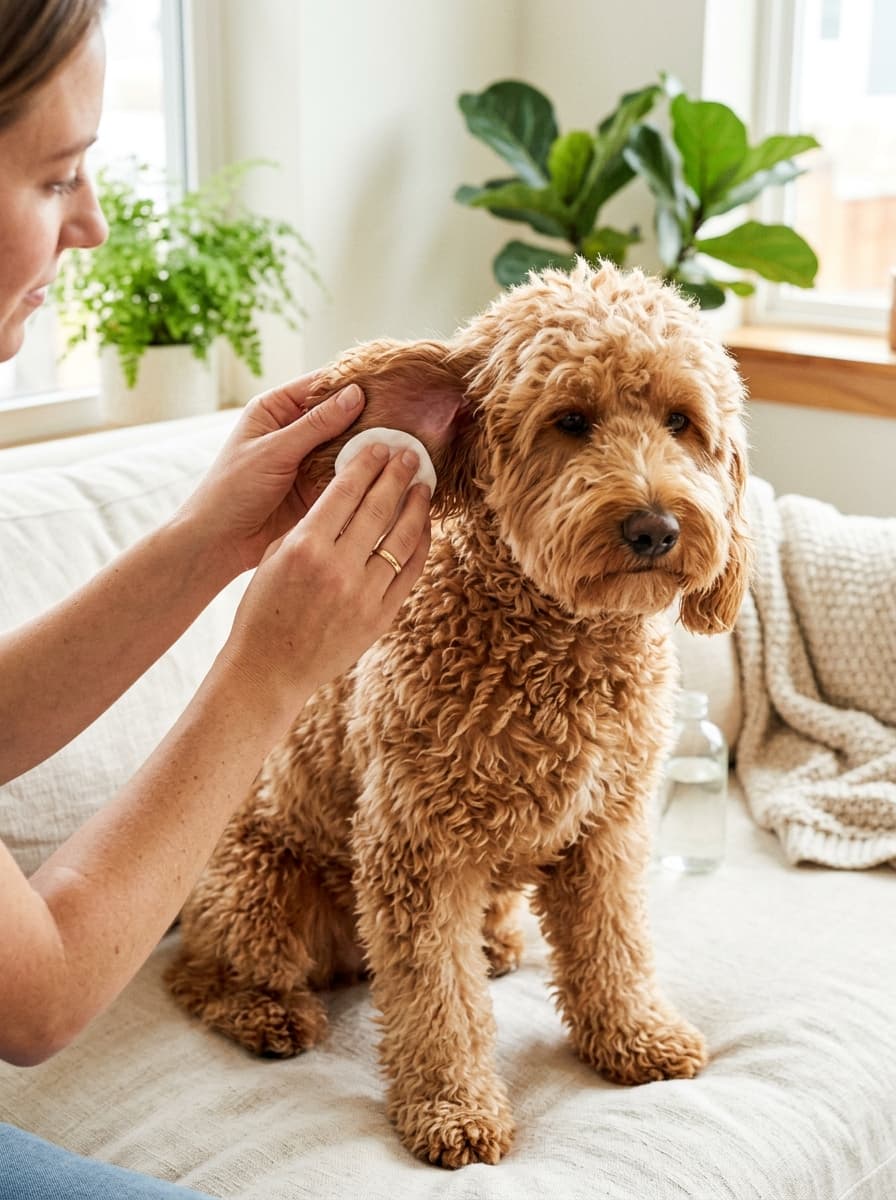
Most doodles inherit floppy ears, and many grow hair inside the ear canal. That combination blocks airflow and keeps the canal warm and moist, a near-perfect yeast incubator. Goldendoodles and Labradoodles tend to show this pattern strongly, with hair-filled ear canals that trap warmth, while Bernedoodles often add a thicker double coat that holds extra moisture against the skin nearby. It's why doodle ear infections so often come down to yeast vs allergy rather than one or the other: allergies inflame the ear, poor ventilation lets yeast take over.
The poodle-line allergy tendency
Doodles carry poodle genetics, and poodles are prone to allergies and sensitive skin. More allergies means more inflammation, more skin-barrier damage, and more secondary yeast. If you want the breed-level picture, we lay it out in are doodles prone to allergies.
How allergies and yeast are actually connected
Think of it as a cycle, not two separate events:
- Allergy triggers inflammation (from pollen, dust, or food).
- Inflammation damages the skin barrier and increases oil.
- Scratching breaks the skin.
- Yeast overgrows in the warm, oily, broken-barrier environment.
- Yeast causes more itching, which means more scratching, which means more damage.
Around and around it goes. This is why so many owners feel stuck in an endless loop of medicated wipes and antifungal shampoos, the yeast keeps coming back because the allergy driving it was never addressed.
There are two broad allergy types to consider as root causes:
- Environmental allergies (atopy): pollen, mold, dust mites. Often seasonal, hard to eliminate, managed rather than cured.
- Food allergies: a reaction to a specific protein or ingredient. These can be identified and removed. If you suspect food, our food allergies in doodles complete guide walks through the whole picture, and the most common culprits are covered in common food triggers for doodles.
One telling pattern: if your doodle licks its paws or gets itchy shortly after eating, food is a stronger suspect. We break that specific clue down in doodle licking paws after eating.
Diagnosis: how you (and your vet) actually tell them apart
At home, you can gather strong clues, smell, location, timing, and whether symptoms track with seasons or meals. But confirming yeast requires a vet. It's a genuinely simple test: your vet takes a swab or tape sample from the skin or ear and looks at it under a microscope. Yeast cells are easy to identify, and this quick check tells you whether antifungal treatment is even the right move.
Allergies are diagnosed differently and more slowly. Environmental allergies may involve blood or skin testing; food allergies are best identified through an elimination diet, which is the gold standard and something we detail in our elimination diet for doodles step-by-step plan. The American Veterinary Medical Association makes the same point that an elimination diet trial is the reliable way to identify food-related reactions.
Treatment and management for each
Treating a yeast flare-up
Yeast overgrowth usually needs targeted antifungal treatment, medicated shampoos, wipes, or ear cleaners, and in stubborn cases, oral antifungals your vet prescribes. Alongside treatment, the practical doodle work is keeping moisture out:
- Dry thoroughly after baths, swimming, and wet walks, right down to the skin, not just the coat surface.
- Keep ear hair and belly/paw hair trimmed for airflow (a grooming conversation worth having).
- Don't over-bathe with the wrong products; the right shampoo matters, and we round up options in best shampoo for itchy doodles.
Addressing the root-cause allergy
This is the part that actually stops the recurring flare-ups. Depending on what's driving it:
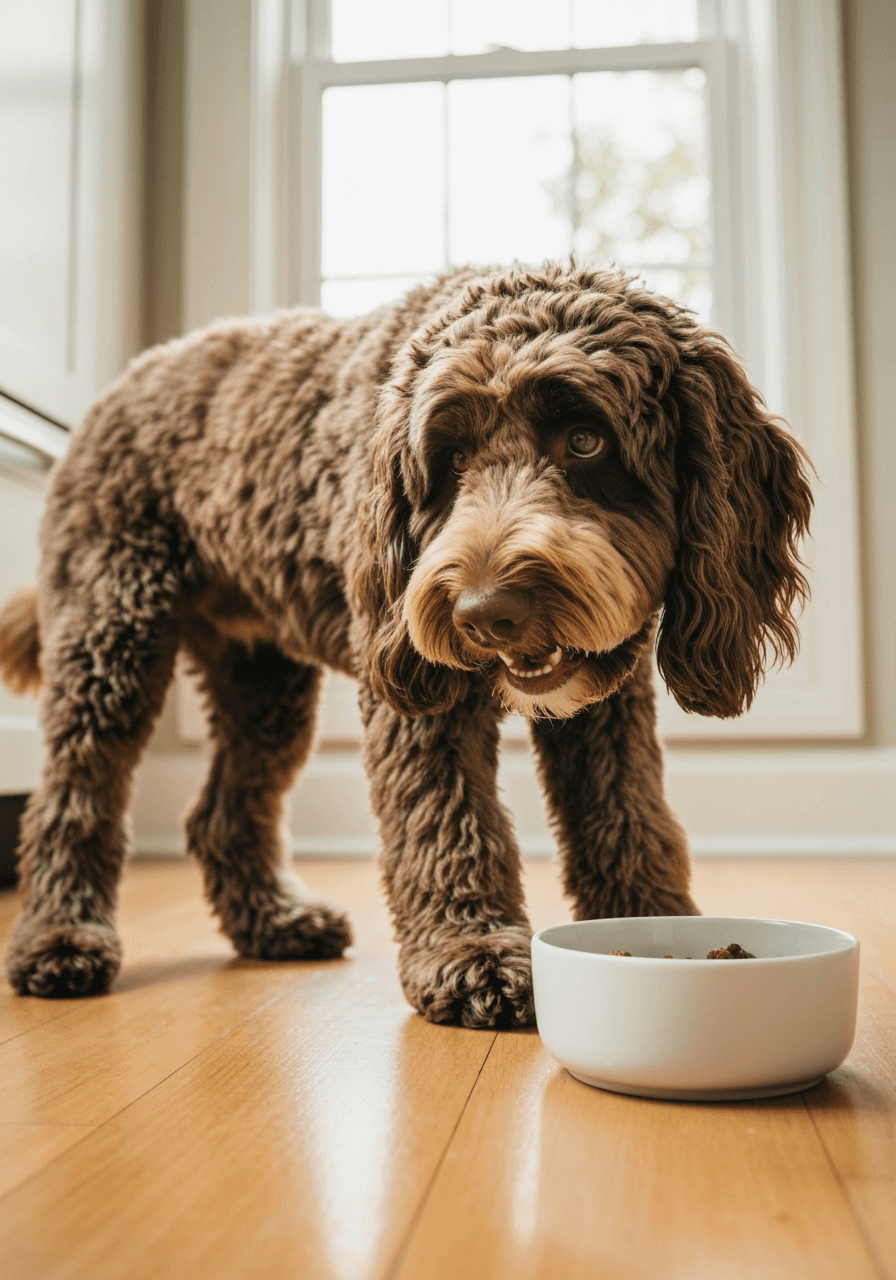
- Food-driven: run an elimination diet and move to a simpler recipe. For many doodles a limited ingredient dog food or, in tougher cases, a hydrolyzed diet makes a real difference.
- Environmental: managed with your vet, often alongside skin-support supplements.
- Skin barrier support: omega-3 fatty acids are one of the most useful, low-risk additions for skin health, see best omega 3 for doodle skin health.
The gut health connection
A large share of the immune system lives in the gut, and gut health influences how reactive the skin is. We're a raw-feeding household, and keeping our three doodles' digestion steady has gone hand in hand with steadier skin over the years. A well-formulated diet and, when needed, a quality probiotic can support the whole system, our thoughts are in best probiotics for doodles with digestive issues.
When it's genuinely a vet situation
Call your vet if you see any of these:
- A strong, persistent yeasty smell that doesn't improve with drying and basic care.
- Ear symptoms: dark discharge, head-shaking, redness, swelling, or pain.
- Significant redness, sores, hot spots, or skin that's darkened and thickened.
- Your doodle is clearly miserable, losing sleep, chewing raw spots, or off their food.
- Home management hasn't helped within one to two weeks.
Chronic, recurring itch deserves a real workup rather than endless guessing, our overview in why is my doodle itchy all the time covers what that process looks like.
FAQ
Look at the smell and location. Allergies cause widespread itching, sneezing, and inflamed skin without a strong odor, and they often flare seasonally or after eating certain foods. Yeast overgrowth adds a distinct musty, corn-chip or bread-like smell, greasy or reddish-brown discoloration, and tends to concentrate in warm, moist spots like paws, ears, armpits, and skin folds. In many doodles you'll see both at once, because allergic inflammation creates the perfect environment for yeast to take hold.
A yeast infection has a very recognizable musty, cheesy, or corn-chip odor, sometimes described as smelling like stale bread or popcorn. You'll usually notice it most strongly on the paws (the classic "Frito feet"), inside the ears, and in skin folds. A normal doodle shouldn't have a strong body odor, so a persistent yeasty smell is a signal to look closer and often to call your vet.
Yes, and this is the connection most owners miss. Allergies trigger inflammation and excess skin oil, damage the skin barrier, and cause scratching that breaks the skin, all of which let naturally-present yeast overgrow. That's why treating only the yeast leads to repeat flare-ups. To actually break the cycle you have to address the underlying allergy, whether it's environmental or food-driven.
Doodle coat and ear anatomy work against them. Their curly, dense coat traps moisture against the skin and hides early redness or dampness, and their floppy, often hairy ears create a warm, poorly-ventilated canal where yeast thrives. Add the poodle line's tendency toward allergies and sensitive skin, and doodles get more than their share of recurring yeast issues.
Call your vet if the smell is strong and persistent, if there's significant redness, swelling, discharge, or your dog is head-shaking and clearly uncomfortable, or if home management hasn't helped within a week or two. Ear infections in particular need a professional look, because the wrong treatment on a ruptured eardrum can cause harm. A vet can confirm yeast with a simple skin or ear swab under the microscope.
Your next step
If your doodle's smell and location clues point to a yeast flare, get it confirmed and cleared, then turn your attention to the real question: what's triggering it? For most doodles that trail leads back to food or environment. Start with our elimination diet for doodles step-by-step plan to methodically rule food in or out, and browse the itchy skin & paws hub for the full set of guides on breaking the itch-and-yeast cycle for good.