The most useful allergy supplements for doodles are omega-3 fish oil (calms inflammation and itchy skin), probiotics (support gut health and immune balance), and quercetin with bromelain (a natural antihistamine effect for seasonal itch). Match the supplement to the symptom, give it a fair 6–8 week trial, and see your vet if the skin is broken, infected, or getting worse.
If you're here, your doodle is probably doing the thing ours do every spring — the 2 a.m. paw-licking, the head-shaking, the belly they scoot across the rug. You want to know which allergy supplements for doodles are worth your money before you add another bottle to the cabinet. Fair enough.
Here's the honest version: supplements are a genuinely helpful layer, not a magic fix. Below I'll walk through the main categories, what each actually targets, realistic expectations, dosing by doodle size, and — the part most listicles skip — how to match the right supplement to your doodle's specific symptom. Then a short, honest buyer's guide.
If you just want the shortlist, our overall pick is the Native Pet Dog Allergy Chews — the rest of this guide explains how to match it to your dog's symptoms.
Why doodles need a thoughtful approach
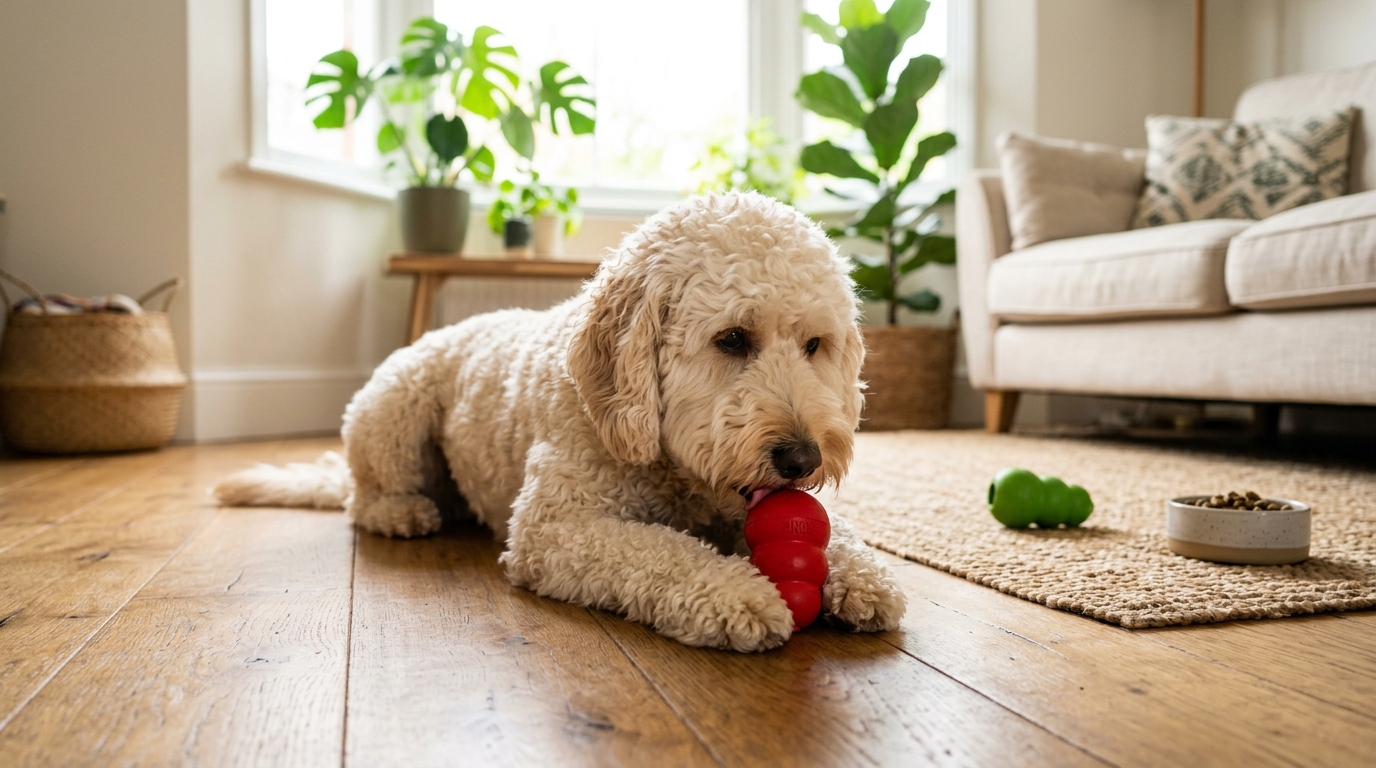
Doodles land in a tricky spot. That is true across the doodle family — Australian Labradoodles, Goldendoodles, Labradoodles and Bernedoodles alike. The poodle line brings a tendency toward food sensitivities, the retriever or spaniel lines bring their own allergy load, and that gorgeous curly coat hides skin problems until they're well underway. By the time you notice redness or a hot spot, the coat may have been trapping moisture and irritation for a while.
Add floppy ears that hold humidity, and you have a breed mix that's genuinely prone to itchy skin, yeasty ears, and reactive guts. If you want the breed-level background, we cover it in Are Doodles Prone to Allergies?.
The takeaway for supplements: support the skin barrier and gut early, before problems compound. That's exactly where the right products earn their keep.
The main supplement categories, compared
Let me break down what each type of supplement actually does — and where it falls short.
Omega-3 fish oil (the foundation)
If I could only pick one, it'd be omega-3. EPA and DHA from fish oil calm the inflammatory pathways behind itchy, flaky skin and help build a stronger, more resilient coat. It's the closest thing to a "works for most doodles" supplement, and it's the base layer we build on.
Expectations: this is a slow burn. You won't see a difference overnight — give it 6 to 8 weeks for the fatty acids to build up in the skin. When Gunnar went through a rough itchy patch one fall, fish oil was the first thing we reached for, and the improvement was gradual, not dramatic. We go deeper in our best omega-3 for doodle skin health guide.
Probiotics and prebiotics (the gut connection)
A huge chunk of the immune system lives in the gut, so probiotics for dog allergies make real sense — a balanced microbiome supports a calmer immune response and firmer stools. For doodles with sensitive stomachs and itch, this is a two-for-one.
They won't cure a food allergy, but they help the gut cope. If digestion is the bigger issue, start with our best probiotics for doodles with digestive issues.
Quercetin and natural antihistamines
Often called "nature's Benadryl," quercetin for dogs allergies is a plant compound that helps stabilize the cells that release histamine — so it's aimed squarely at seasonal itch. It's frequently paired with bromelain, which helps the body absorb it and adds its own anti-inflammatory effect.
Realistic expectation: helpful for taking the edge off pollen-season flare-ups, not a cure for a full-blown reaction.
Skin-barrier support (vitamin E, omega-6)
Vitamin E and balanced omega-6 fats support the physical skin barrier — the wall that keeps allergens out and moisture in. These usually show up inside combination chews rather than as standalone products, which is fine.
Digestive enzymes
Enzymes help doodles who struggle to fully break down food — more of an intolerance and gas-and-loose-stool tool than an allergy fix. Useful for the right dog, but not front-line for itch.
Top Picks
A good allergy chew for a doodle does three things: uses a clean, readable ingredient list, combines pathways that matter (inflammation + gut + immune), and comes in a flavor your dog can actually tolerate. I've leaned toward products with large real-world review bases and transparent formulas — and I've flagged the honest downside of each so you can pick the one that fits your doodle, not a generic dog.
| Product | Best For | Rating |
|---|---|---|
| Native Pet Dog Allergy Chews | Best Overall (clean formula) | 4.5★ |
| BARK&SPARK Allergy Relief Chews | Best for Seasonal Itch | 4.4★ |
| VetIQ Allergy Pro+ | Best Vet-Formulated | 4.4★ |
| PetLab Co. Allergy & Immune | Best Dual Gut + Allergy | 4.3★ |
Start with one bottle. Allergy supplements need six to eight weeks before you can judge them, so buy a single product rather than three at once — with a stack you will not know which one did the work. Once you know what you are re-ordering, prices across the pet section are worth a look.
Match the supplement to the symptom
This is the part I wish someone had handed me years ago. Different doodle problems call for different starting points.
| Symptom | Most likely driver | Start with | Also consider |
|---|---|---|---|
| Seasonal itch (spring/fall) | Environmental allergens | Quercetin + bromelain | Omega-3 as base layer |
| Chronic dull coat, flaky skin | Barrier + inflammation | Omega-3 fish oil | Vitamin E, omega-6 |
| Yeasty ears / paws | Overgrowth downstream of allergy | Probiotics + omega-3 | Vet for topical treatment |
| Loose stool + itch together | Gut dysbiosis | Probiotics | Digestive enzymes |
| Paw licking after meals | Possible food reaction | Diet work first | Omega-3 + probiotics |
A few notes on that table. Yeast is almost always a symptom, not the root — see allergy vs yeast infection in doodles before you throw supplements at it. And if your doodle mainly licks paws after eating, that points toward diet, which we unpack in doodle licking paws after eating.
Dosing considerations by doodle size
Doodles span mini (15–30 lb), medium (30–50 lb), and standard (50–90 lb), so a one-chew-fits-all approach usually under- or over-doses.
- Always follow the label by weight. Chews are typically dosed in bands, and most product labels list a range by body weight.
- Start at the lower end and work up over a week or two — this reduces the chance of loose stool when you introduce something new.
- Introduce one supplement at a time. With three dogs, I learned the hard way that starting two things at once means you can't tell what worked (or what caused the gas).
- Fish oil especially can loosen stool if you jump to a full dose too fast. Ramp up.
What to look for on the label
Not all allergy chews are created equal. Before you buy:
- Named, meaningful ingredients — look for actual EPA/DHA amounts, named probiotic strains or CFU counts, and quercetin listed with a dose, not just "proprietary blend."
- A flavor your doodle can tolerate. This trips up so many owners: chicken-liver or pork flavoring can backfire if your doodle reacts to that protein. If chicken is a known trigger, read our chicken allergy in doodles guide first.
- Sensible fillers. Fewer added starches and dyes is better for reactive doodles.
- A dose that matches your dog's size — check the count vs. daily servings so you know the true monthly cost.
FAQ
For mild to moderate cases, yes — but with realistic expectations. Omega-3 fish oil and probiotics have the strongest support for reducing inflammation and supporting immune balance, and quercetin can take the edge off seasonal itch. Supplements manage symptoms and support the skin barrier; they do not cure a true food allergy. If your doodle's skin is broken, oozing, or getting worse, that's a vet situation, not a supplement one.
Give any supplement a fair trial of 6 to 8 weeks before you judge it. Omega-3s in particular need weeks to build up in the skin and coat before you'll notice less itching and a softer, shinier coat. Probiotics can show gut benefits within a couple of weeks but immune effects take longer. Change one thing at a time so you can tell what's actually helping.
Yes, and it's actually a smart combination because they work on different pathways — omega-3 calms inflammation while probiotics support gut and immune health. Many doodle-friendly allergy chews already combine them. Just introduce one new supplement at a time so you can spot any digestive upset, and stay within the dosing for your doodle's weight.
Yeast overgrowth is usually a downstream symptom, not the root cause, so supplements alone rarely fix it. Probiotics and omega-3s can help by supporting the skin barrier and gut, but active yeast in floppy doodle ears or between paw pads often needs topical treatment and a vet's input. Address the underlying allergy or moisture issue at the same time.
Read the flavor and protein source carefully. Many allergy chews use chicken liver, pork, or hickory flavoring, which can backfire if your doodle reacts to that protein. If your doodle has a confirmed chicken allergy, choose a differently-flavored chew or a plain fish oil, and reintroduce cautiously while watching for paw licking, ear issues, or loose stool.
Your next step
If you're buying today, my honest advice is to start with the category that matches your doodle's main symptom — omega-3 for dull, itchy skin; probiotics for gut-plus-itch; a quercetin blend for seasonal flare-ups — and give it a full 6–8 week trial before adding anything else.
But supplements work best when the underlying cause is being handled too. If food seems to be part of the picture, the smartest next move is figuring out the trigger — head to our food allergies in doodles complete guide, or browse the itchy skin & paws hub for symptom-specific help. Your doodle (and your rug) will thank you.