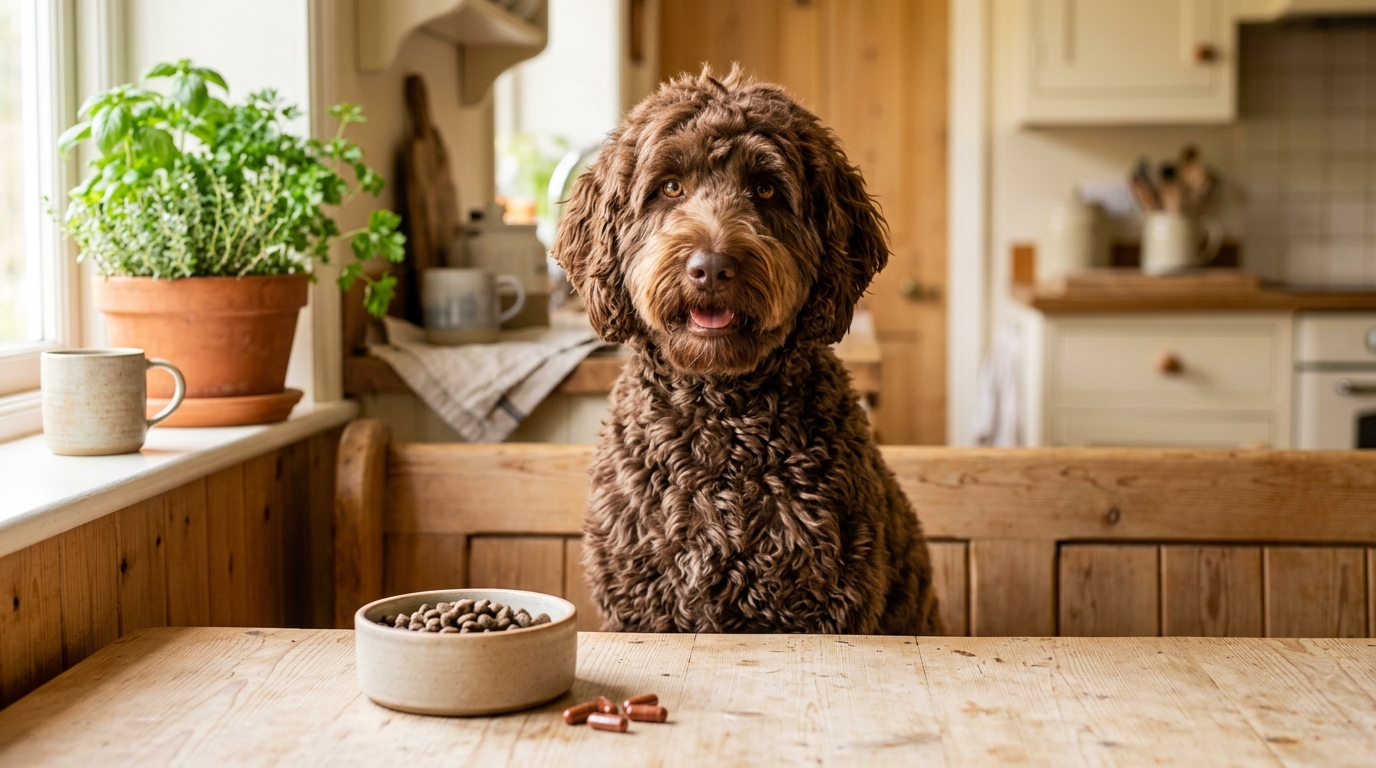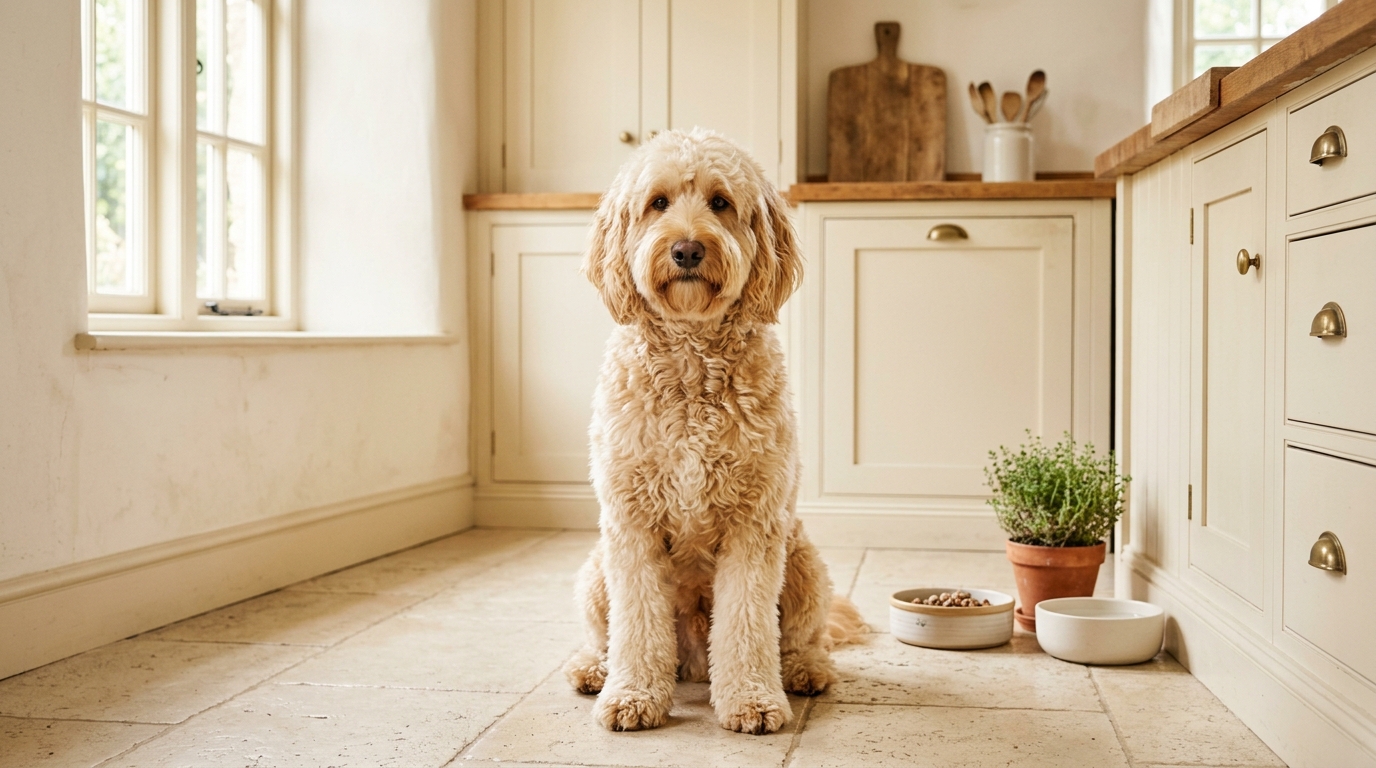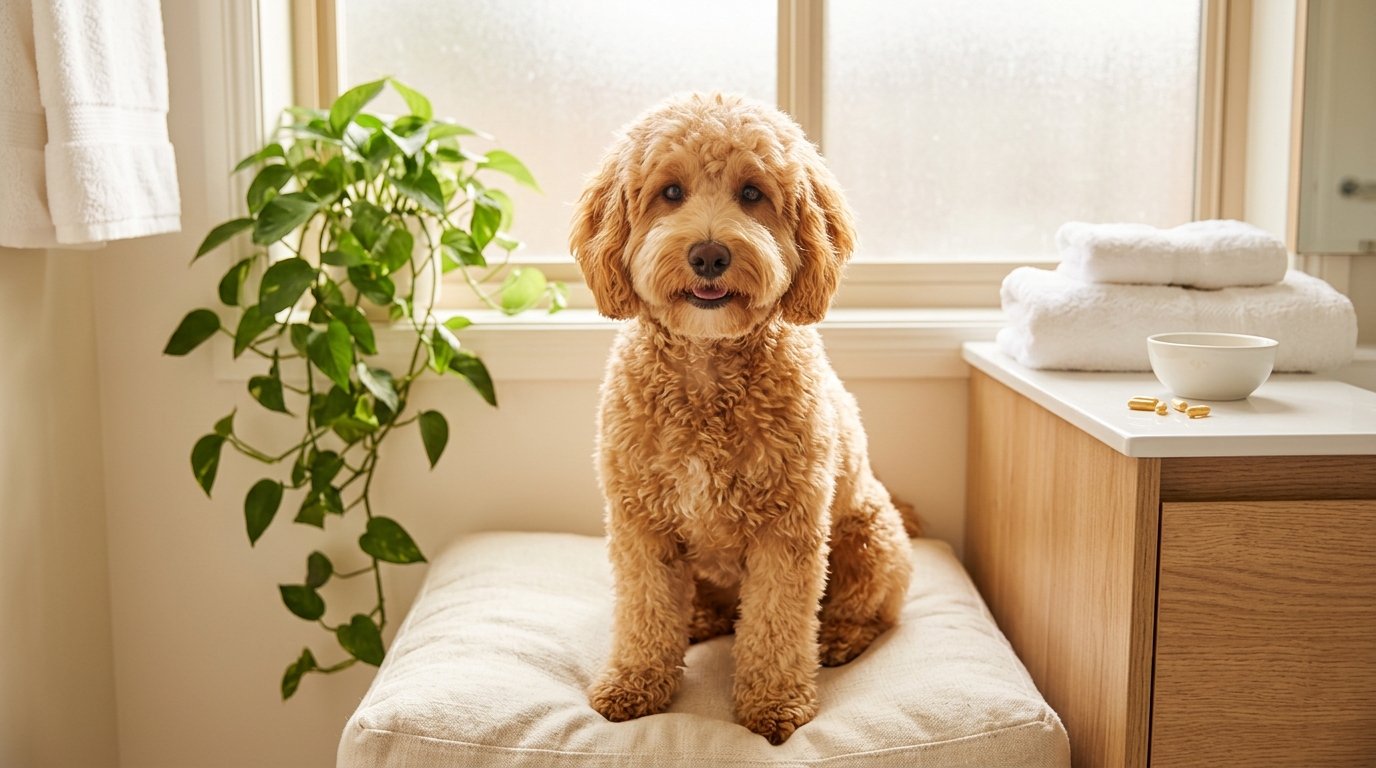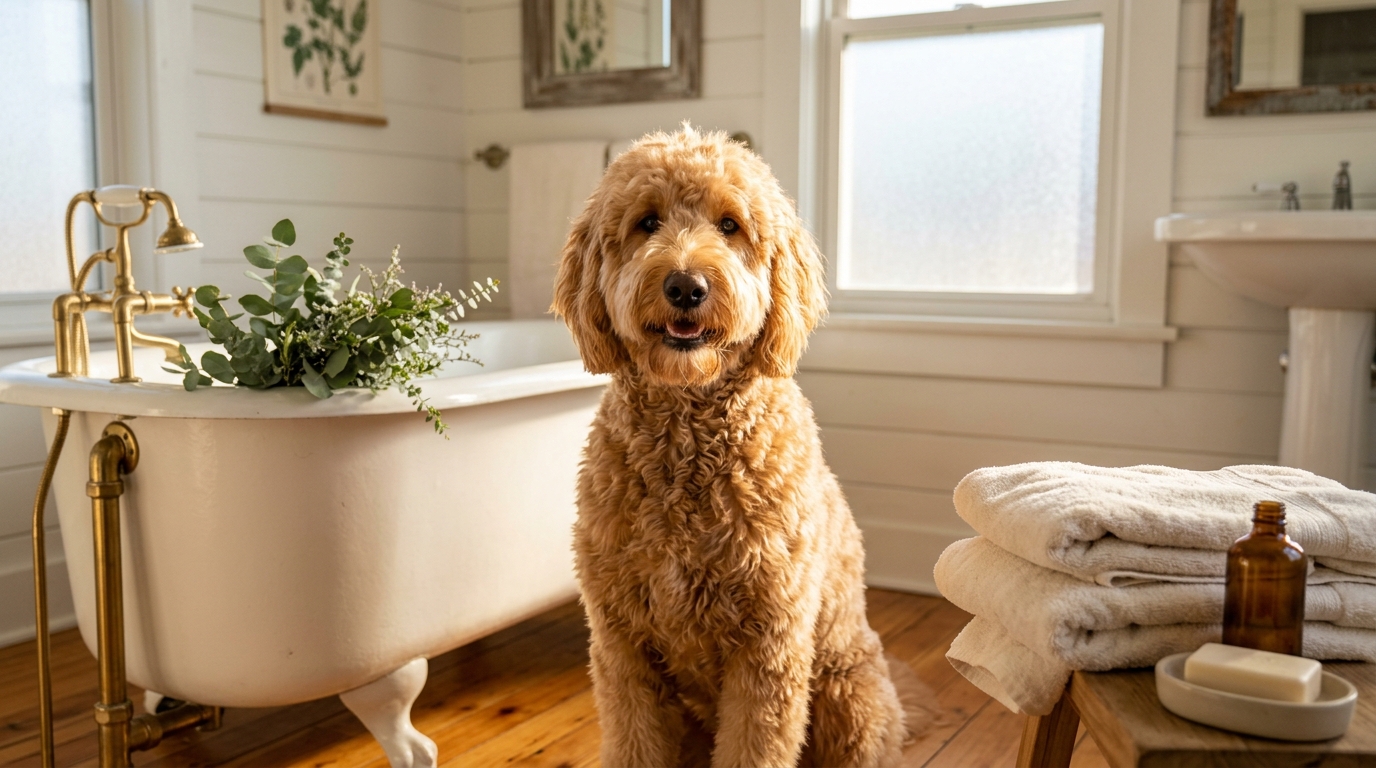
The best shampoo for an itchy doodle depends on what's actually causing the itch. Use a soothing oatmeal shampoo for dry, allergy-flared skin; a medicated chlorhexidine + ketoconazole shampoo for yeasty, smelly, or infected skin; and a gentle hypoallergenic formula for very sensitive dogs. Whatever you pick, lather, give it 5-10 minutes of contact time, and rinse thoroughly, a dense doodle coat traps residue that causes even more scratching.
What most listicles skip: the wrong shampoo can make itching worse. A degreasing antifungal on already-dry skin, or an oatmeal formula on active yeast, wastes weeks. So before I get to the product picks, we're going to figure out the cause together, because with three doodles at home (Sven, Gunnar and Gösta, all three Australian Labradoodles), I've learned that matching the shampoo to the problem is the whole game.
If you already know your doodle's itch is yeast- or infection-driven and just want the shortlist, our top pick for that is the Pet Honesty Chlorhexidine Shampoo, the rest of this guide explains how to tell whether that's actually what's causing the itch, or whether you need a different type of shampoo entirely.
First, figure out WHY your doodle is itchy
Picking the right shampoo starts with a rough idea of the cause. Here's how the three big culprits tend to look:
- Allergies (environmental or food): generalized itching, licking paws, red belly, recurring flares that come and go with seasons. Skin often looks irritated but not greasy.
- Yeast overgrowth: that unmistakable musty, corn-chip, "Frito feet" smell, greasy or waxy skin, brownish-red staining, often between toes, in armpits, and in ear flaps. Very common in doodles because their curly coats trap warmth and moisture.
- Dry / flaky skin: dandruff, dull coat, mild scratching without a strong smell, common in winter or after over-bathing.
These overlap constantly. Allergies inflame the skin, which lets yeast take over, which makes everything itchier. If you're not sure which you're dealing with, our allergy vs yeast infection in doodles guide walks through telling them apart, and why is my doodle itchy all the time? covers the full list of causes. The Merck Veterinary Manual makes the same point about how allergic skin disease and secondary yeast or bacterial infections feed into one another.
The shampoo types, matched to the cause
There are really only four categories that matter for itchy doodles. Here's how to match them.
| Shampoo type | Key ingredients | Best for | Not great for |
|---|---|---|---|
| Soothing / oatmeal | Colloidal oatmeal, vitamin E | Dry, flaky, allergy-irritated skin | Active yeast or bacterial infections |
| Medicated antifungal/antibacterial | Chlorhexidine, ketoconazole, miconazole | Yeasty, smelly, greasy, infected skin | Very mild itch on dry skin |
| Hypoallergenic / gentle | Minimal, fragrance-free formulas | Sensitive, allergy-prone doodles | Heavy grease or infection |
| Degreasing | Salicylic acid, sulfur | Very oily, seborrheic coats | Already-dry or sensitive skin |
Oatmeal / soothing shampoo: for dry and allergy-flared skin
This is your everyday, reach-for-it-first option when your doodle is scratching but there's no strong smell and no grease. Colloidal oatmeal calms the skin barrier and relieves the itch of allergy flares. It won't cure anything, but it buys real comfort and it's gentle enough for frequent use.
Medicated antifungal / antibacterial: for yeast and infection
When you smell that musty, corn-chip odor and see greasy or stained skin, you want chlorhexidine and/or ketoconazole. Chlorhexidine tackles bacteria and yeast; ketoconazole and miconazole are antifungals. This is the category for a yeast infection on doodle paws or yeasty skin folds. The catch: contact time is everything, lather it in and let it sit 5-10 minutes before rinsing, or you're just moving suds around.
Hypoallergenic / gentle: for the very sensitive doodle
If your doodle reacts to everything, a fragrance-free, minimal-ingredient formula reduces the odds the shampoo itself is an irritant. Poodle-line dogs in particular can be reactive, so simpler is often better.
Degreasing: for genuinely oily, seborrheic coats
Less common, but if your doodle's coat feels greasy and heavy, a salicylic-acid or sulfur shampoo strips excess oil. Use sparingly, it's harsh, and over-drying will restart the itch cycle.
Top Picks
A good itchy-doodle shampoo does one of two jobs well: soothes irritated skin or kills the yeast/bacteria driving the itch, and it should be gentle enough to rinse cleanly from a dense coat. I looked for real active ingredients (chlorhexidine, ketoconazole, colloidal oatmeal, phytosphingosine), formulas that suit sensitive skin, and honest review depth. Below, each pick has a distinct job so you can match it to your doodle's problem. For a wider roundup of doodle-tested food, supplements, and tools beyond shampoo, see our Best Products for Sensitive Doodles: Food, Supplements & Tools guide.
| Product | Best For | Rating |
|---|---|---|
| Pet Honesty Chlorhexidine Shampoo | Best for Yeast & Infection | 4.6 |
| Douxo S3 Calm | Best Vet-Formulated for Allergies | 4.5 |
| We Love Doodles Anti Itch Shampoo | Best Doodle-Specific Pick | 4.5 |
| TropiClean Oatmeal | Best Budget / Everyday Soothing | 4.6 |
Bottle size matters more on a doodle. A full standard coat takes a surprising amount of shampoo per bath, so the small bottle that lasts a terrier a year can be gone in two washes. Per ounce the larger sizes are usually much better value, compare them here.
Doodle coats change the whole approach
This is where generic dog advice falls apart. A doodle's dense, curly, mat-prone coat is basically a moisture trap, exactly the warm, damp environment yeast loves. That changes how you bathe.
- Brush and de-mat BEFORE bathing. Mats hold water against the skin and block shampoo from ever reaching it. Bathing over mats is how yeast quietly thrives underneath.
- Rinse twice as long as you think. Residue is the #1 cause of post-bath itching in doodles. In our house, I rinse until the water runs completely clear, then rinse Gösta again, his coat is the densest of the three and hides suds like nobody's business.
- Dry down to the skin, not just the surface. A curly coat can feel dry on top while staying damp underneath for hours. Towel hard, then use a dog drying robe (what we do, with an ordinary hair dryer, drying a doodle to the skin can take an hour) or a proper high-velocity grooming dryer. Damp skin under curls is a yeast starter kit.
- Focus on the trouble zones: between the toes, armpits, groin, under the ears, and any skin folds.
How to actually use the shampoo (contact time matters)
The best shampoo in the world fails if you rush it. Here's the routine that works:
- Brush out mats and tangles completely, dry.
- Wet the coat thoroughly, right down to the skin, which takes a while on a doodle.
- Lather in and work it to the skin in the trouble zones.
- Wait. Oatmeal: a couple of minutes. Medicated (chlorhexidine/ketoconazole): 5-10 minutes of contact time, set a timer.
- Rinse, rinse, rinse until the water runs clear, then rinse again.
- Dry down to the skin.
Bathing frequency: soothing shampoos every 1-2 weeks are fine; medicated shampoos often 2-3x/week during a flare, then tapered. Over-bathing dries skin and creates itch, so more isn't better.
Shampoo won't fix an allergy on its own
Worth saying plainly: shampoo treats the surface. If your doodle's real problem is a food or environmental allergy, the itch comes back the moment you stop bathing. The lasting fix is pairing the right shampoo with the root cause.
That often means looking at diet, start with can diet fix doodle skin problems?, and supporting the skin barrier from the inside with omega-3s for doodle skin health. If food is on your radar, our food allergies hub is the place to dig in. Shampoo is the fast relief; diet and management are the durable fix.
FAQ
For general itch relief with a soothing oatmeal shampoo, every 1-2 weeks is usually fine. Medicated antifungal or chlorhexidine shampoos are often used 2-3 times a week during a flare, then tapered, but follow your vet's or the label's protocol, since over-bathing can dry out the skin and make itching worse. Always rinse thoroughly, because leftover residue trapped in a dense doodle coat is a common cause of post-bath scratching.
For yeasty, smelly, or greasy skin, choose a medicated antifungal shampoo containing chlorhexidine and/or ketoconazole and give it 5-10 minutes of contact time before rinsing. These ingredients actively reduce the yeast and bacteria driving the itch. If the skin is broken, oozing, or the smell is strong, treat it as a call-your-vet situation, since yeast overgrowth often needs oral medication alongside the shampoo.
Sometimes, but often not. Shampoo treats the skin surface and can dramatically reduce symptoms, but if the underlying cause is a food or environmental allergy, the itch returns once you stop bathing. The best results come from pairing the right shampoo with addressing the root cause, diet changes, omega-3s, or allergy management guided by your vet.
Yes, for dry, flaky, or mildly irritated skin, oatmeal shampoo is a gentle, well-proven choice that soothes without harsh chemicals. It's a great everyday option for allergy-prone doodles. It is not, however, an antifungal, so if your doodle has active yeast or a bacterial skin infection, oatmeal alone won't clear it.
The two most common reasons are shampoo residue left in the dense coat and skin that was already irritated before the bath. Doodle coats hold product and moisture, so incomplete rinsing is a frequent culprit. Thorough rinsing and fully drying down to the skin usually helps; if it keeps happening, read our guide on scratching after grooming.
Your next step
Pick your shampoo by the cause: oatmeal for dry/allergy skin, chlorhexidine + ketoconazole for yeast, gentle hypoallergenic for the very sensitive doodle, and always nail the contact time and rinsing. But remember shampoo is the relief, not the cure.
If your doodle's itching keeps coming back, the durable fix lives deeper. Start with chronic itching in doodles: causes and relief to build a real plan, and browse the itchy skin & paws hub for the whole picture.