If your doodle scratches, licks, or chews constantly, the answer to why is my doodle always itching almost always comes down to one of five drivers: environmental (atopic) allergies, food allergies, yeast overgrowth, parasites like fleas or mites, or a weakened skin barrier. Rule out fleas first, then work through diet and yeast methodically. Persistent scratching for weeks, raw skin, a bad smell, or recurring ear infections means it's time to call your vet.
Chronic itch is one of the most common, and most frustrating, problems in the doodle world. It rarely has a single flashy cause. More often it's a slow build: a little seasonal allergy, plus a coat that traps allergens, plus a bit of yeast, until suddenly your dog is scratching every evening and you have no idea where to start.
If you want somewhere concrete to start while you work through that list, our best allergy supplements for doodles is the lowest-risk first move.
This guide gives you a decision framework rather than a vague list. We'll walk through how to tell the causes apart, a step-by-step troubleshooting order, realistic timelines for relief, and the doodle-specific details (coat, ears, paws, yeast) that generic dog articles miss.
Why doodles itch more than a lot of breeds
Doodles inherit skin tendencies from both parent lines. Poodles are prone to environmental and food sensitivities and to yeast, and many golden and Labrador lines carry atopic (environmental allergy) tendencies too. Cross the two and you get a lot of dogs with reactive skin. If you want the breed-level picture, we cover it in are doodles prone to allergies.
On top of genetics, the coat itself is a factor:
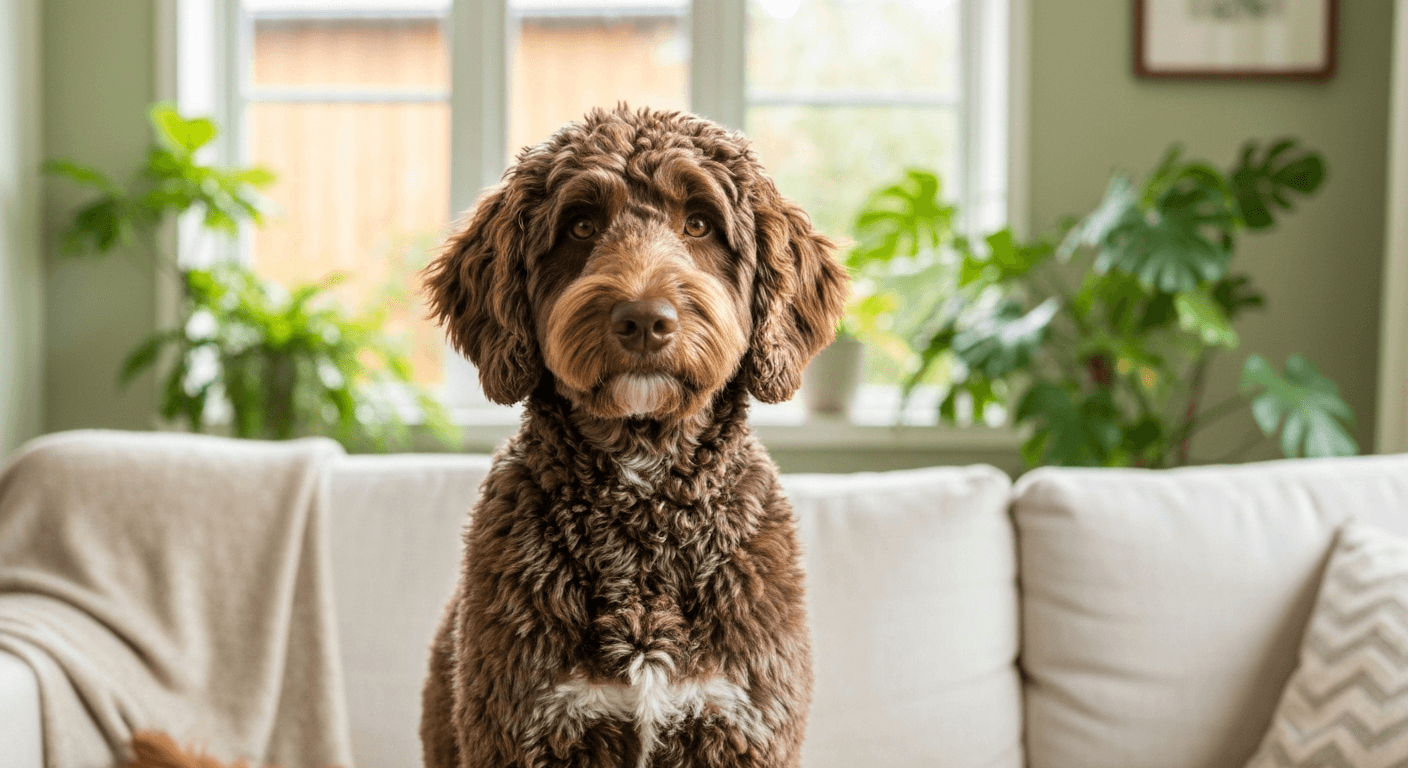
- Curls trap allergens, pollen, dust, and grass stick in the coat and sit against the skin instead of shaking off.
- Curls hide problems, you often can't see redness, scabs, or thinning fur until you part the coat and look.
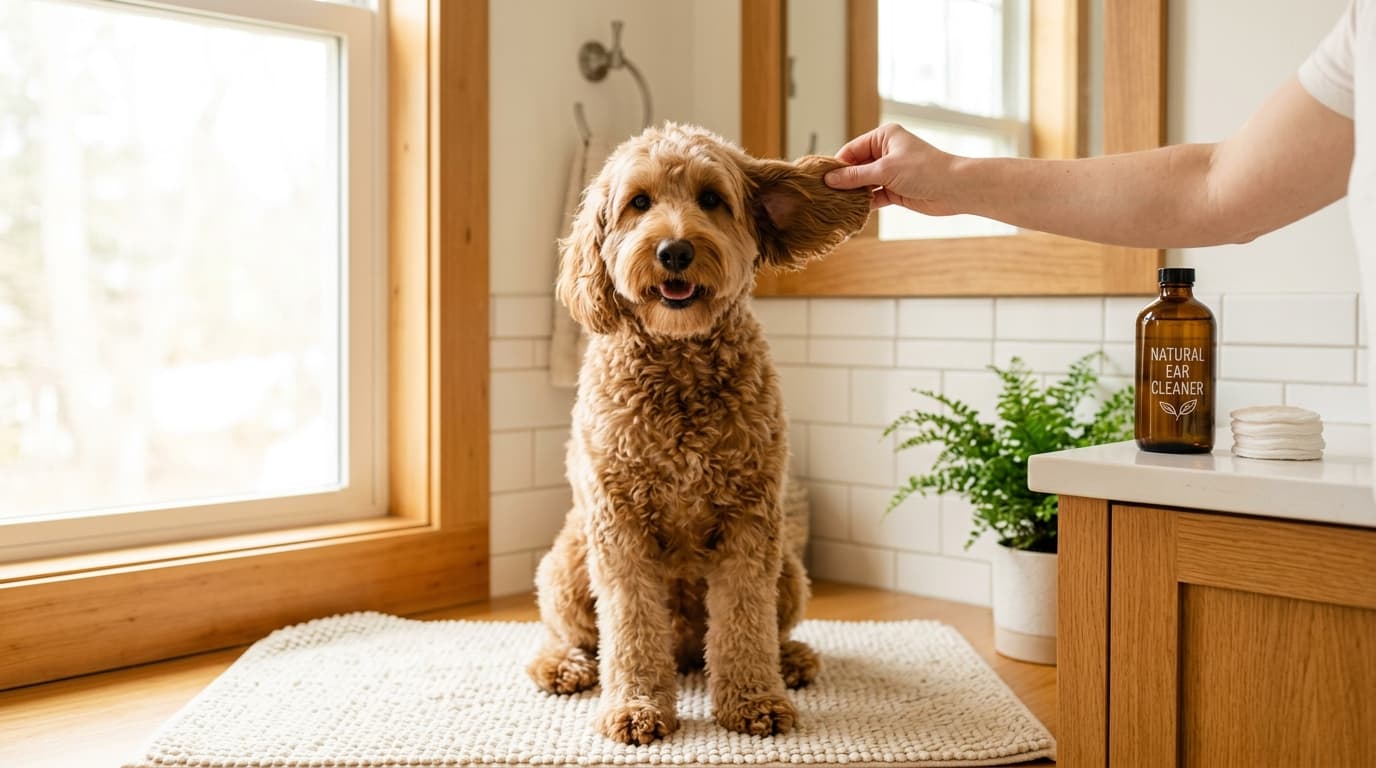
- Floppy, hairy ears trap moisture, a warm, dark, damp canal is exactly what yeast loves.
- Feathery paws stay wet, after walks and baths, moisture lingers between the toes.
So a doodle can be itchy for the same reasons as any dog, but the coat amplifies and hides it. That's why our approach with our own three, Sven, Gunnar, and Gösta, leans hard on grooming and drying, not just what goes in the bowl.
First, know which cause you are treating
Relief only works if it is aimed at the right thing. There are five causes worth knowing, fleas and mites, environmental allergies, food allergies, yeast overgrowth and a damaged skin barrier, and the full breakdown of how to tell them apart lives in why is my doodle so itchy.
The short version for the purposes of this page: rule out fleas before anything else, because every other step is wasted effort if parasites are the answer. After that, the practical distinction is whether the itch is seasonal (points environmental) or year-round (points food or yeast), because it changes which part of the toolkit below you reach for first.
A step-by-step approach to identifying the cause
Here's the order we'd work through it. Don't skip steps, the point is to change one thing at a time so you can actually tell what's working.
Step 1: Lock down flea and parasite control
Get your doodle on a vet-recommended flea preventive and keep it consistent for at least a couple of months. This is cheap, easy, and rules out the fastest-fixable cause. If itch continues despite solid flea control, move on.
Step 2: Look closely at the itch pattern
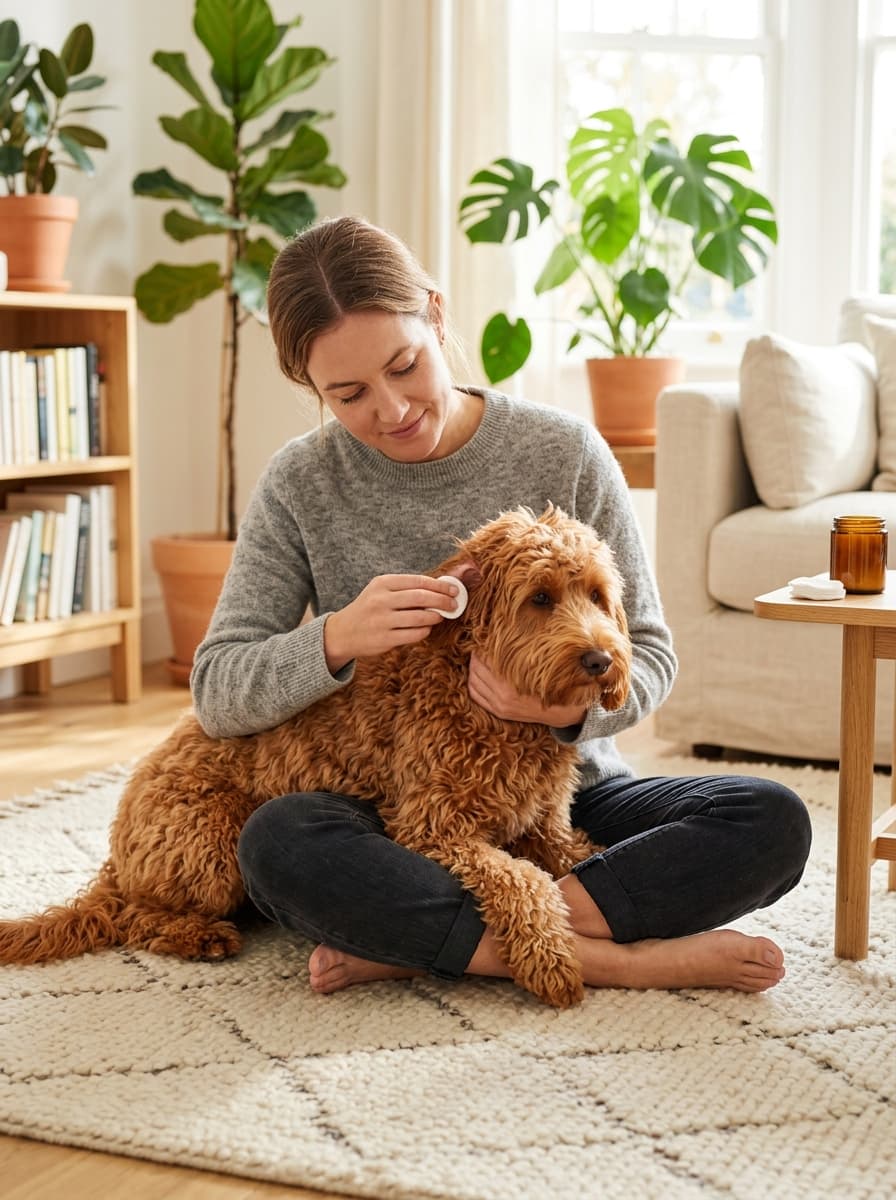
Part the coat and actually inspect the skin, belly, armpits, groin, between the toes, and inside the ears. Note where and when:
- Seasonal and paw/face focused → leans atopic.
- Year-round with ear and gut involvement → leans food.
- Smelly, greasy, brown ear discharge, rusty paws → leans yeast.
Step 3: Treat any yeast that's present
If there's an active yeast component (smell, greasy skin, ear gunk), address it now, it muddies everything else. That usually means medicated bathing and thorough drying, plus your vet's help for ears. Clearing yeast often drops the itch dramatically on its own.
Step 4: Run a proper elimination diet
If itch persists year-round after flea control and yeast are handled, it's time to test food. A real elimination diet, a single novel or hydrolyzed protein for 8 to 12 weeks with zero treats or table scraps, is the only reliable way to confirm a food allergy. Blood and saliva "allergy tests" are notoriously unreliable for food. The Merck Veterinary Manual makes the same point that a strict elimination diet trial is the reliable way to diagnose food allergy. Follow our step-by-step elimination diet plan so you don't accidentally sabotage it. If you go the prescription route, hydrolyzed dog food is worth understanding.
Step 5: Manage what's left (usually atopy) with your vet
If you've done all the above and itch continues seasonally, you're most likely dealing with environmental allergies. This is where your vet becomes essential, there are safe, effective prescription options and immunotherapy for atopic dogs that no supplement can replace.
How to stop a doodle from itching: the relief toolkit
Once you know (or strongly suspect) the cause, these are the levers that actually move the needle. Most doodles need several of them together.
Bathing done right
For most itchy doodles, more frequent bathing helps, it physically rinses allergens and yeast off the skin. The catch is technique:
- Use a gentle, soap-free or medicated shampoo (skip heavy fragrance). See best shampoo for itchy doodles.
- Let it sit on the skin for 5-10 minutes if it's medicated.
- Rinse thoroughly, leftover residue is itchy.
- Dry completely, especially ears, paws, and folds. Damp = yeast.
We bathe more often during allergy season and always towel-and-air-dry ears afterward. With three doodles it's a routine, not a special event.
Omega-3 fatty acids
Omega-3s (EPA and DHA from fish oil) support the skin barrier and calm inflammation from the inside. This is a slow, foundational fix, give it a few weeks. Details in best omega-3 for doodle skin health.
Targeted supplements
Beyond omegas, some doodles benefit from probiotics (gut and skin are linked) and specific skin-support supplements. Start with best allergy supplements for doodles and, for the gut angle, best probiotics for doodles.
Diet: but with realistic expectations
Diet can genuinely fix food-driven itch, and a clean, limited-ingredient diet helps some environmental dogs too by reducing overall inflammation. Read can diet fix doodle skin problems for an honest take, and if you're picking food, best food for a goldendoodle with allergies.
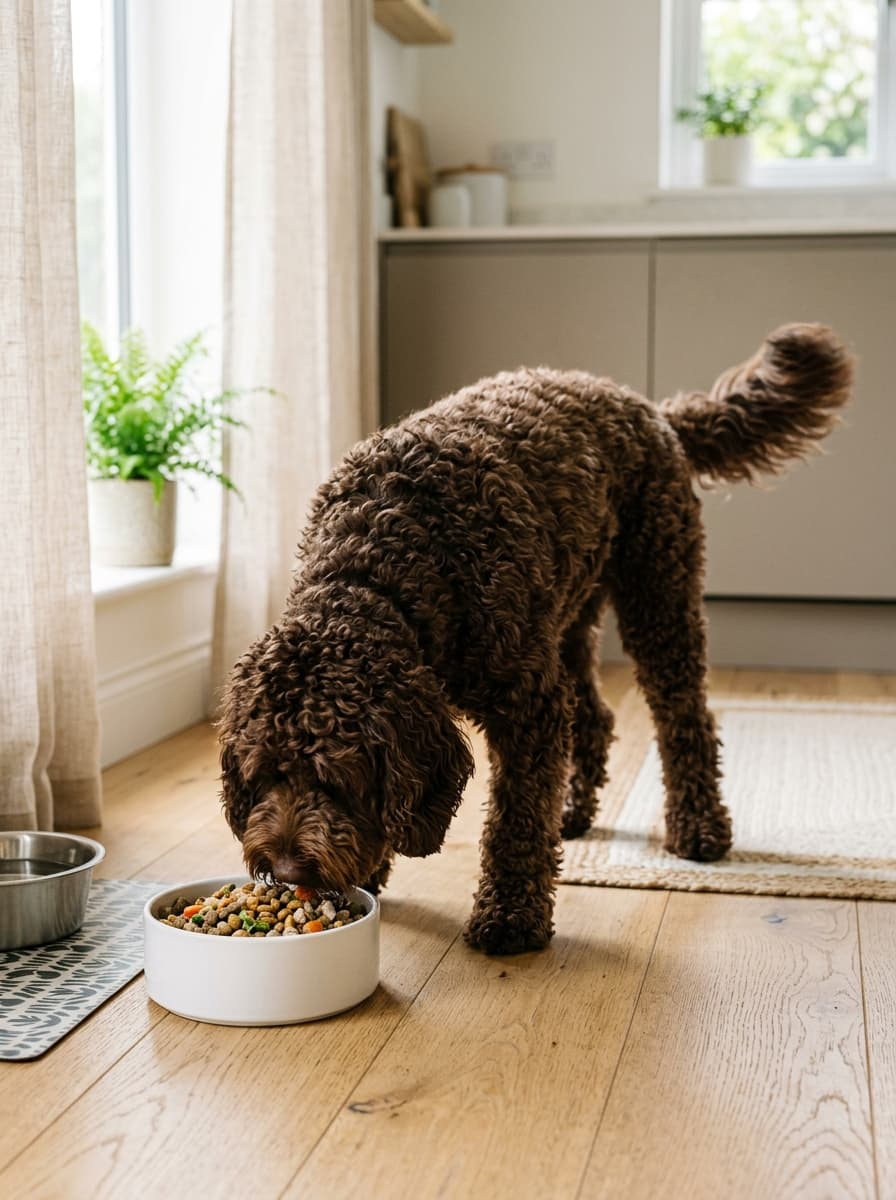
Grooming and physical management
Keep paws and belly trimmed enough that you can see and dry the skin. Wipe paws after walks during pollen season, it removes the allergens your doodle would otherwise lick in. And if the itch flares right after the groomer, that's a specific pattern worth reading about in doodle scratching after grooming.
Realistic timelines for relief
Managing expectations is half the battle. Here's roughly what to expect once you're treating the right cause:
| Cause | Expected timeline | What you're doing |
|---|---|---|
| Fleas | Days | Consistent flea control |
| Yeast | 2-4 weeks | Medicated bathing plus treating the root cause |
| Food allergy | 8-12 weeks | Full elimination diet, no shortcuts |
| Environmental allergy | Ongoing | Management rather than a cure |
| Skin barrier support (omegas) | 4-8 weeks | Subtle, gradual improvement |
When we transitioned Gunnar onto a cleaner diet years back, we made the classic mistake of expecting results in a week and nearly gave up. The real change showed up closer to the two-month mark. Patience is the tool nobody lists.
Common mistakes that keep doodles itchy
- Chasing food first when it's really atopy, wastes weeks and money.
- Skipping flea control because "I don't see any fleas."
- Sabotaging the elimination diet with one treat, chew, or dropped crust.
- Not drying the coat and ears after baths and swims.
- Treating yeast once and stopping, it comes back if the underlying allergy isn't managed.
- Not looping in the vet for genuinely miserable or infected skin.
FAQ
If you've ruled out fleas, the most common causes of chronic itching in doodles are environmental (atopic) allergies to things like pollen and dust mites, food allergies, or a secondary yeast overgrowth. Doodles inherit sensitive skin from both parent lines, and their curly coats trap allergens and moisture close to the skin, so itch often builds slowly over weeks. Working through diet and yeast systematically, and looping in your vet, is the path to lasting relief.
It depends on the cause. Flea-driven itch improves within days of good flea control. Yeast overgrowth usually eases in two to four weeks with medicated bathing and treating the root cause. Food allergies require an 8 to 12 week elimination diet before you see full results, because old inflammation takes time to settle. Environmental allergies are managed long-term rather than cured, so expect ongoing maintenance.
Yes, but food allergies cause a smaller share of chronic itch than most owners assume. When food is the driver, itching tends to be year-round rather than seasonal and often shows up alongside paw licking, recurring ear issues, or an upset stomach. A proper elimination diet is the only reliable way to confirm it, since blood and saliva allergy tests are unreliable for food.
For most itchy doodles, more frequent bathing with the right shampoo helps, not hurts. Regular baths physically rinse allergens and yeast off the skin and coat. The key is using a gentle, soap-free or medicated shampoo, rinsing thoroughly, and drying the coat and ears completely afterward so trapped moisture doesn't feed yeast. Harsh or heavily fragranced shampoos can make itch worse.
See your vet if the itching has lasted more than a couple of weeks, if you see raw or broken skin, hot spots, a bad odor, hair loss, or repeated ear infections, or if your doodle seems miserable and can't settle. These signal a skin infection or an allergy that needs medical management. Sudden severe itching with swelling is an urgent visit.
Your next step
Chronic itch is a puzzle, but it's a solvable one when you work in order: flea control, look at the pattern, clear the yeast, test the food, then manage what's left with your vet. Change one thing at a time and give each step its realistic timeline.
If your gut says this is more allergy than anything else, start with our deeper breakdown in why is my doodle itchy all the time, or head to the Itchy Skin & Paws hub for the full set of guides. And if food keeps looking like the culprit, the Food Allergies hub will walk you the rest of the way.